


Just an hour’s drive north of Menton, young and creative Ligurian chefs boldly venture into culinary territory where their French counterparts dare not tread.
For a region whose culinary identity has long been reduced to pesto and focaccia, Liguria is quietly having a more interesting moment than its reputation suggests. A new generation of chefs, a booming aquaculture sector, and a nascent consciousness of sustainably sourced ingredients are producing dishes that feel genuinely of the moment, without wholesale abandoning what makes Ligurian cooking distinctive.
In fact, the nouvelle vague in Ligurian kitchens is not that new, it is just coming home to its origins. Not only would Nonna still recognize the dishes, but so would her own nonna, who probably taught her to forage herbs or to make a cheap cut of meat taste like a three Michelin star dish. The 2025 inclusion of Italy’s cuisine in the list of UNESCO world heritage has only sharpened that instinct, encouraging chefs to turn away from lobster and truffles and back toward whitefish, potatoes, and other humbler products.
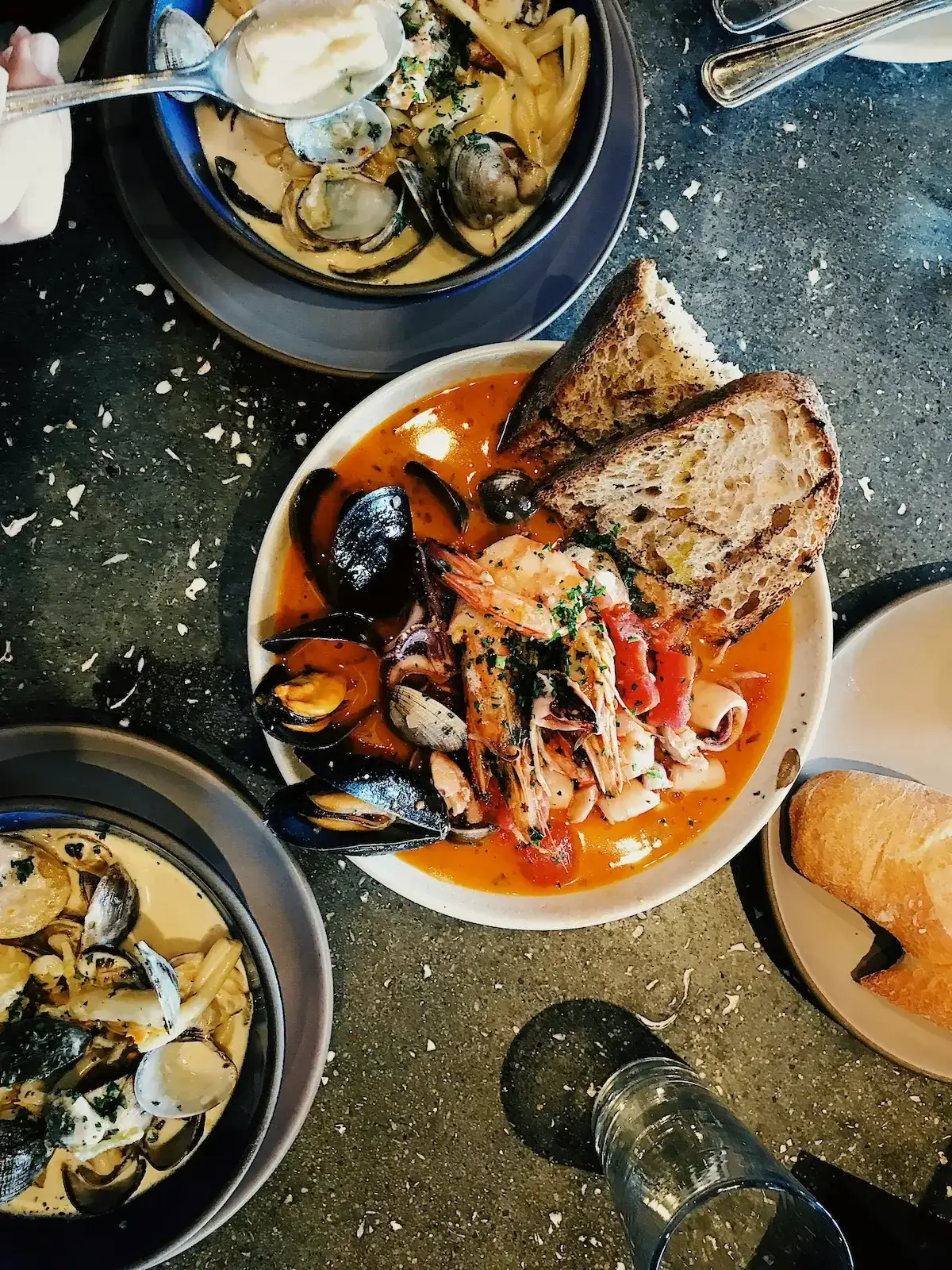
Photo by Cloris Ying on Unsplash, licenced under the Unsplash Licence
The majority of young chefs that are getting ready to run restaurant kitchens today choose to go back to those humble roots. Not just because that kind of cooking tastes good but also because environmental concerns are increasingly pressing. The current practices of large-scale farming and mono-agriculture, or flying products in from halfway around the globe are no longer sustainable.
The answer is therefore to put the accent firmly on regional production and seasonal produce. The “nose to tail” use of a butchered animals shows respect for the life that was given but also saves real money. What marketing now calls “the blue economy”, is simply the kind of fishery their grandfathers practiced. And nettles from the backyard are the new basil. But although classically trained for the most part, the rising generation of chefs is not shy to throw out the standard cookbooks and introduce an unexpected twist, or even a crossover to other culinary cultures, if that elevates a dish from great to sublime.
Curiosity duly piqued, we went in search of those new trends… and now wish they would quickly swap across the dotted-line border between Italy and France.
Local Oysters Make a Comeback
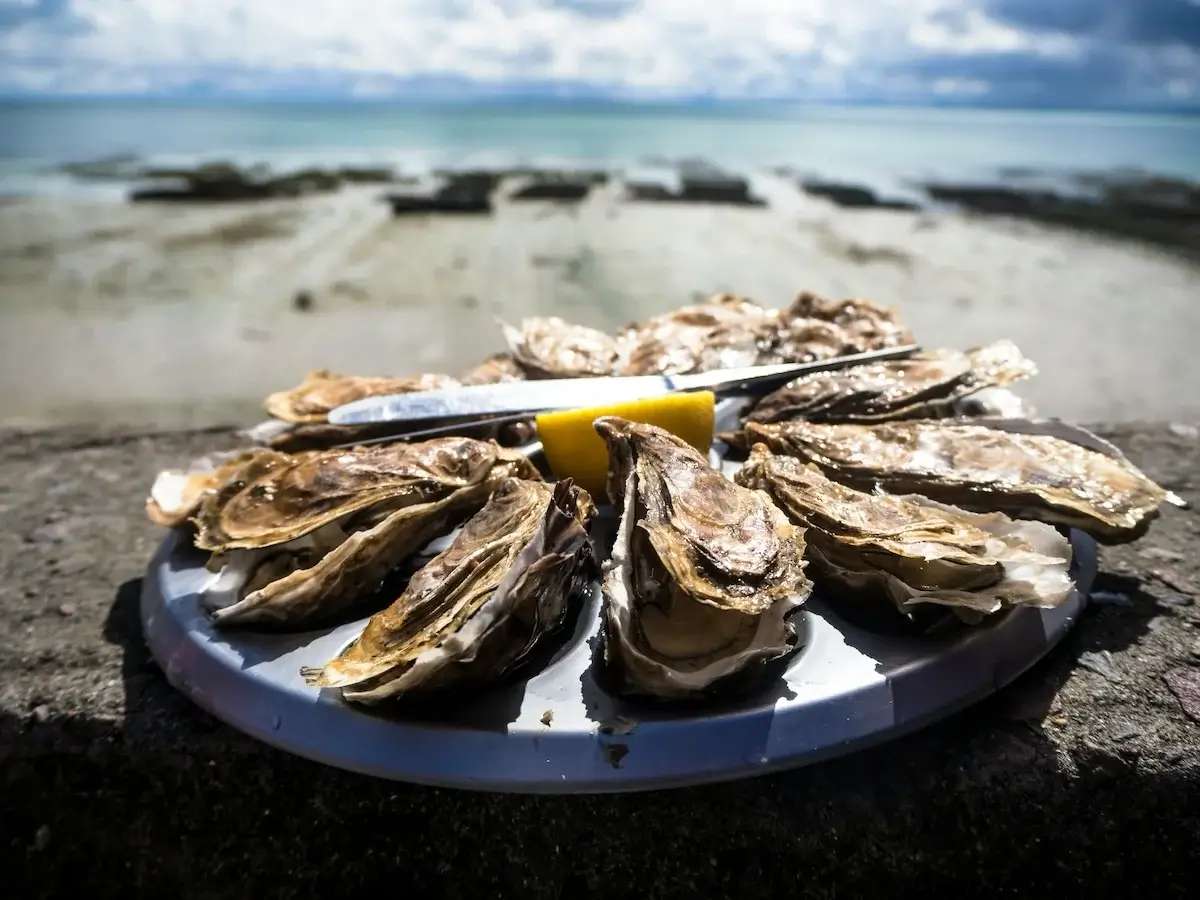
Photo by Tommaso Cantelli on Unsplash, licenced under the Unsplash Licence
Everyone has heard the story: before someone declared oysters a fashionable delicacy, they were considered a poor man’s food. But over the past decade, the local Ligurian oyster industry took things back to the basics.
La Spezia on the Golfo dei Poeti has already put mussels on Ligurian tables for generations; now the oyster follows suit. Italy’s foremost oyster-farming hub is now widely acknowledged as producing oysters of genuine quality. Producers have been deliberate about repositioning the product though: not a luxury to be ordered cautiously in white-tablecloth restaurants, but an affordable, historically rooted food of the sea.
Tuna’s Poor Cousin Got A Promotion
On Savona’s old dockside, a different kind of rethinking is underway. Some kitchens in the Riviera di Ponente are now buying only whole animals – fish included – and applying dry-aging and fermentation techniques to species that the Italian restaurant trade has historically ignored.
A fine example of this practice is the tonnetto (“little tunny”), a bony, oily Mediterranean fish long dismissed in favour of its more glamorous relatives. Dry-aged, then grilled over embers and served with whatever local ingredient is on hand, from La Spezia mussels to sundried tomatoes, from a trickle of local olive oil to a spoonful of dandelion pesto. The technique, borrowed from the treatment of premium beef, transforms the texture and concentrates the flavour. It is a dish that makes an argument: that the Ligurian Sea contains far more than what currently ends up on menus.
Ligurian Surf and Turf with a Visa for Japan
A similar logic, applied differently, is surfacing along the Riviera di Ponente. Palamita, another underused local fish, related to the bonito, is appearing prepared in tataki, seared briefly and served rare, with Northern Italian inland rice and woodland mushrooms from the regional hinterland.
Although less widely practiced so far, the Japanese technique is not a novelty for its own sake: it just happens to suit the fat content and texture of the fish in a way that more conventional Ligurian preparations do not. The same kitchens are pairing rock octopus with Pigna heirloom white beans and Val Nervia snails cooked in twelve wild herbs: shore, mountain and foraged ingredients brought into a single plate, a food philosophy from the Land of the Rising Sun that integrates seamlessly into Italian cooking.
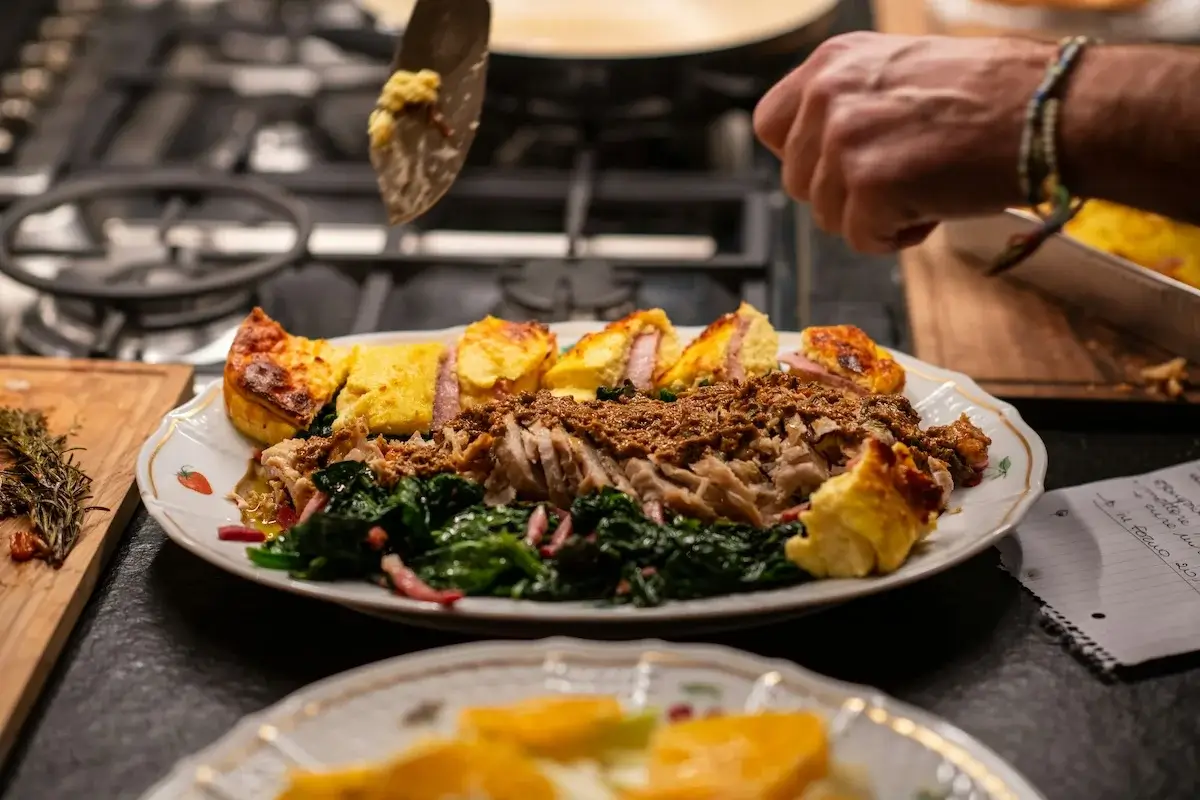
Photo by Jochen van Wylick on Unsplash, licenced under the Unsplash Licence
Not Boar-ing at All
Young Ligurian kitchens are also reclaiming the region’s beloved cinghiale (wild boar), but not in the dense, dark form of the old trattoria pot. The modern version is often shredded in the style of Tex-Mex pulled pork, used as pasta filling, or served as charcuterie, tempered with rosemary, juniper, olive oil, and local greens rather than buried under rustic richness.
The same impulse is visible in the treatment of game, where venison no longer turns up as a classic main course but as tartare or carpaccio, accompanied simply with a garnish of wild herbs, bitter greens, a seasonal garden vegetable, or even a ripe fruit. The result is not a nostalgic revival but a way of making game feel native to a more fluid, more contemporary coastal cuisine.
Preboggion’s Ascent From Humble Seasoning to Taste Powerhouse
Preboggion, the randomly assembled bunch of wild herbs, had enjoyed a long and proud career as a vegetable main course until it fell out of grace in the postwar years. It then was relegated to serving as a vegetal backdrop of a broth or white meat… useful, unsung, and rarely given a second thought.
Now, adventurous chefs have begun releasing it from its modest and dusty existence in a corner of the larder, and are turning it once again into the star of a dish rather than a sideshow. Immensely versatile, it can be turned into pasta fillings, a green base for a vegetable stew, sauces, or even an entire vegetarian dish, and belongs to the same Ligurian economy of thrift, foraging, and invention. It no longer sings in the choir but has become the lead soprano in an Italian food opera.
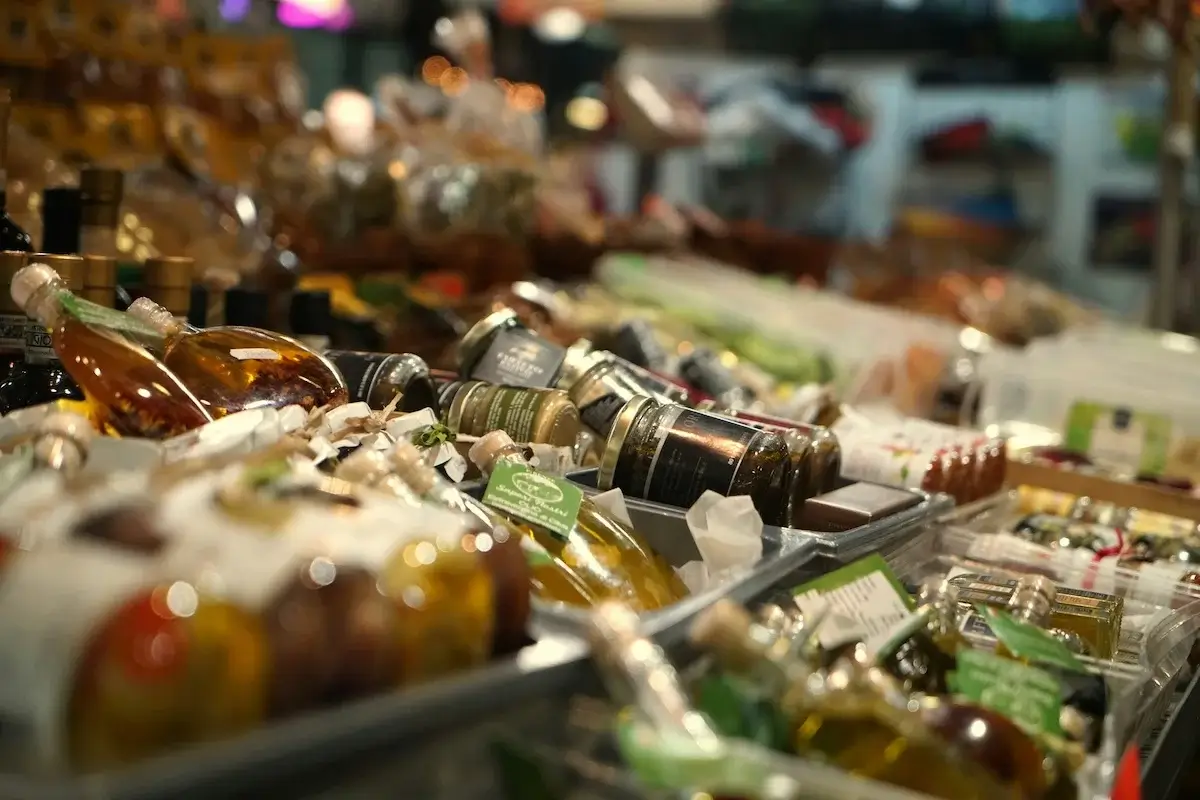
Photo by Tim Photoguy on Unsplash, licenced under the Unsplash Licence
Condiments Reinvented
Lovers of the neo-Italian cuisine – practiced since the arrival of the first mass tourists in the 1970s – might worry how this shift is affecting their beloved cold sauces. There is no way to embellish it: la nuova cucina is coming for them as well.
Pesto genovese, the holy grail of condiments, is now being made (again) with seasonal wild greens beyond basil, incorporating foraged herbs in variants. Salsa di noci, the walnut sauce that predates pesto as a pasta condiment in the Genoese tradition, is seeing renewed attention from small producers experimenting with different cheeses and proportions. And agliata gets thinned down in contemporary kitchens by swapping the wine vinegar for citrus, and incorporating the milder Vessalico garlic, so that it becomes a delicate fish sauce rather than the heavy bread-thickened condiment it traditionally was.
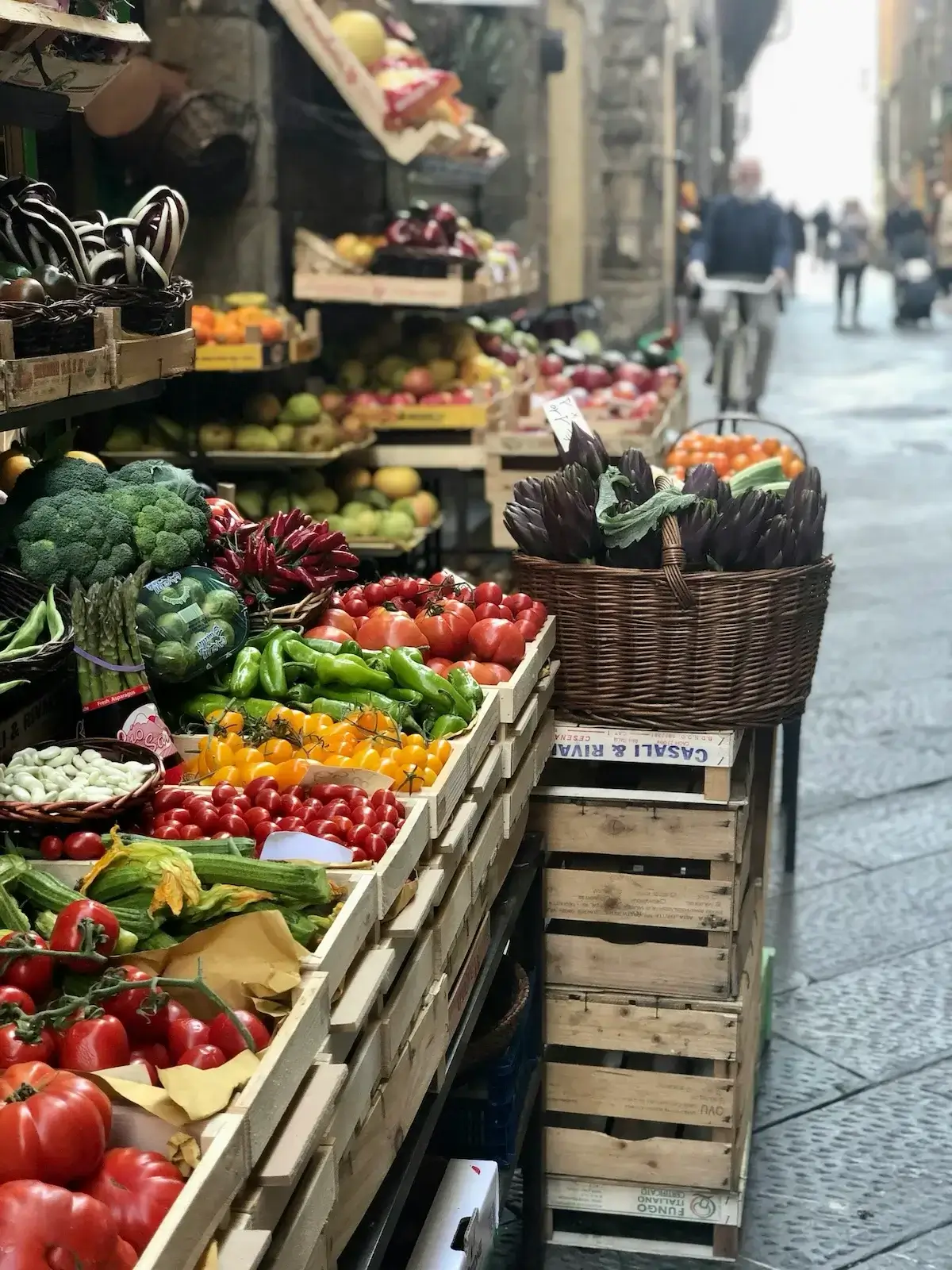
Photo by Jacopo Maiarelli on Unsplash, licenced under the Unsplash Licence
Pasta, pizza, gnocchi, and other iconic staples of Italian food will not go away any time soon – and nobody wants them to disappear. But it is reassuring to see that today’s young Ligurian chefs understand more than flavour profiles: they are driven by an instinct for authenticity and a refusal to waste the bounty that the land and sea put in front of them. The result is a cuisine that stops performing for tourists and is beginning to look like itself… again.


PHOTO CREDITS
- Lead image by Gabriella Clare Marino on Unsplash, licenced under the Unsplash Licence
- All other photos as credited








Leave a comment