


For the iconic Niçois cultural venue, International Women’s Day matters, but its commitment to promote female artists is not limited to a designated day in the calendar.
The first star in the history of European theatre was a woman. She lived in the sixteenth century, performed for kings, wrote plays in which women rescued themselves, and was admitted to one of Renaissance Italy’s most prestigious literary academies at a time when that honour eluded most men. Her name was Isabella Andreini … and there is a reasonable chance you have never heard of her.
Which is precisely why International Women’s Day matters. Not as an occasion for speeches or Hallmark cards, but as a reminder that women’s voices have always been there, that the world has always been richer for them, and that they have had to fight harder than they should have for the space to be heard.

On Sunday 8 March, La Semeuse, the popular Niçois institution under director Frédéric Rey, responds in the only way a theatre knows how: by filling the stage of its La Providence venue in Vieux Nice entirely with women’s writing. Autrices à Nice celebrates women in the performing arts beyond stage roles – here, the accent lies on writers, poetesses, and playwrights.
The title makes the position clear from the outset: autrice, the feminine form of auteur, was dismissed as a grammatical error in French for so long that many women who wrote for the stage simply gave up using it. Not here. Using it was a deliberate decision.
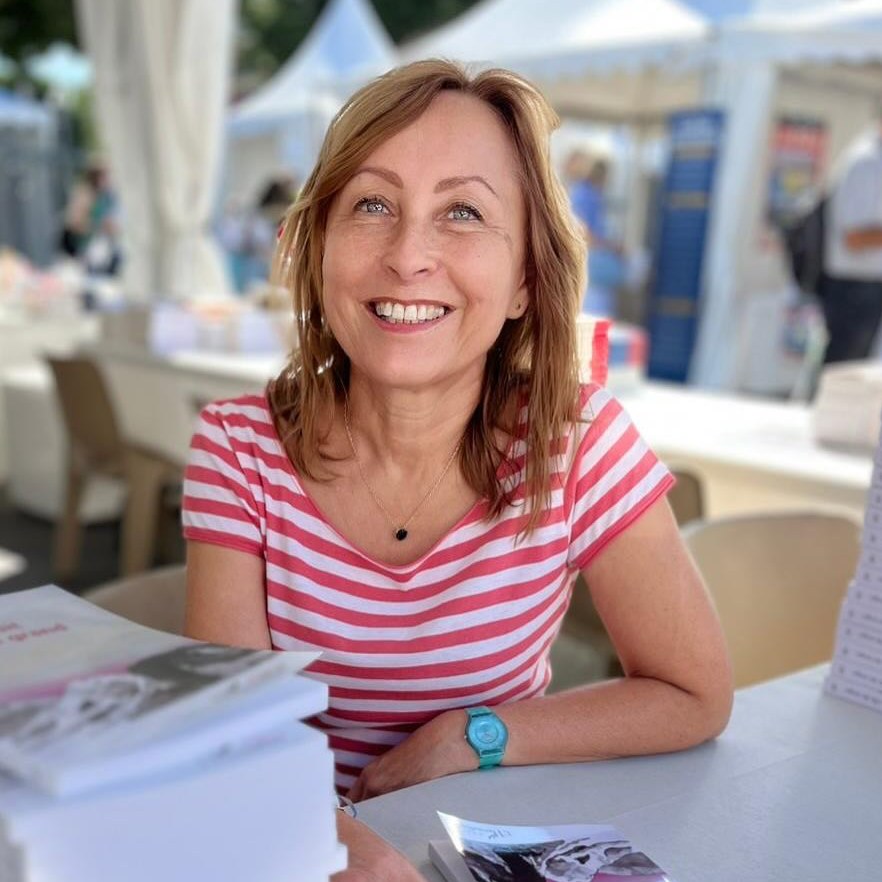
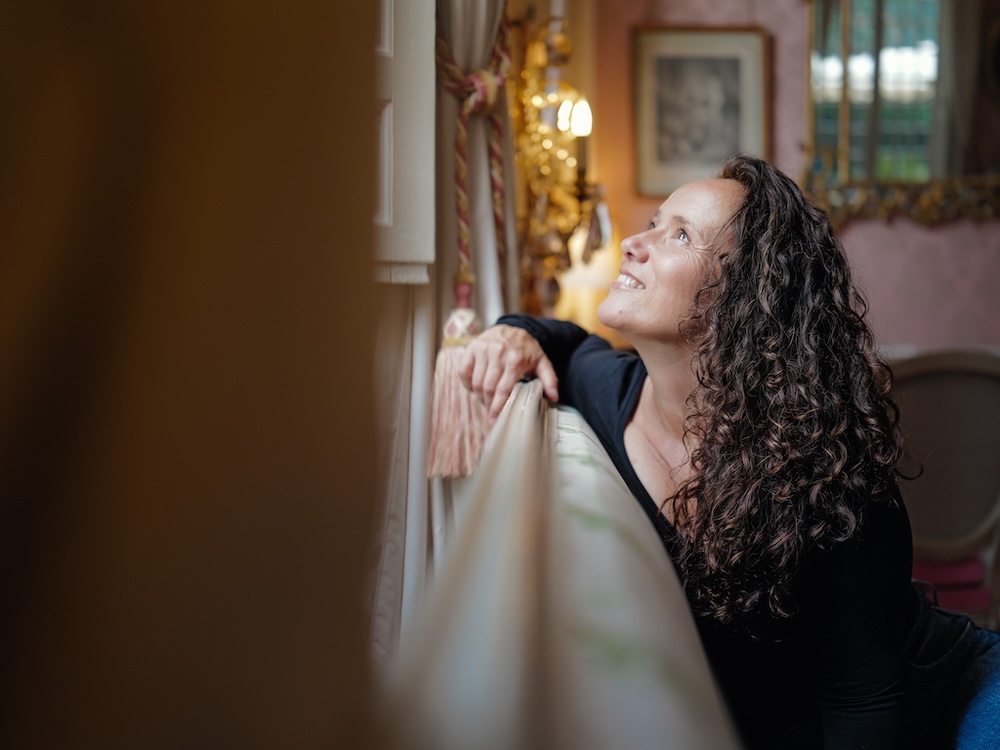
(Left) Sophie Tournier, courtesy Facebook profile; (Right) Magali Solignat, courtesy Facebook profile
The event has two distinct parts. In the first half, texts of playwrights Magali Solignat and Sophie Tournier get a theatrical reading by Conservatoire students. Both prolific and respected theatrical voices in the region, their work is remarkable but still not known to the wide national audience to the degree it deserves. Maybe because it questions the status quo of a male-dominated society? Should women just “shut up and be pretty”? Frédéric Rey begs to differ. He makes it a point of pride to have strong female voices heard, loud and clear.
In the second half, the programme sheds the spotlight on Isabella Andreini – and it comes as no surprise for anyone who knows Frédéric Rey. His artistic identity is built around commedia dell’arte, the very tradition Andreini helped shape. He honours her not as a historical curiosity but as a peer.
Andreini’s stock character, la bella innamorata, spoke in refined, poetic language, and she excelled at this, being a genuinely accomplished poet and writer herself. Her 1588 pastoral play Mirtilla and her collected poetry were published to wide acclaim, which was extraordinarily rare for a woman of her time and profession.
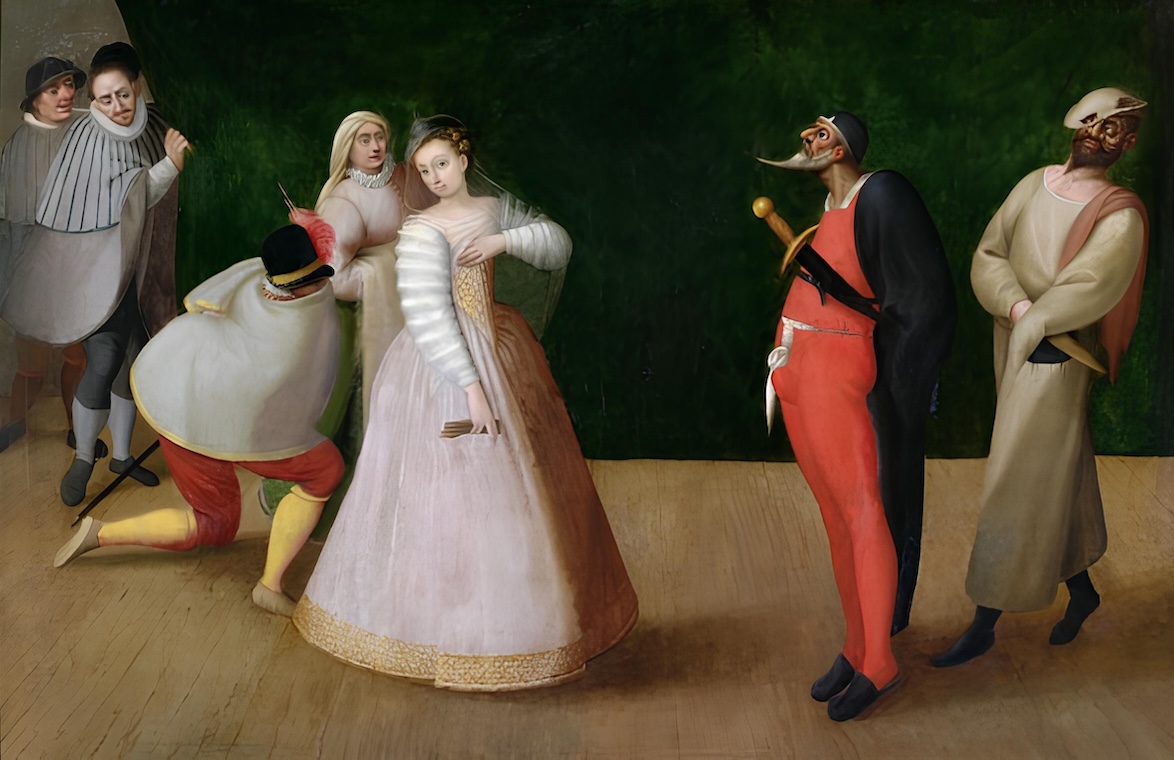
Image courtesy Centre Culturel de La Providence
Here, her Lettres à mes amants weaves historical fragments and literary invention into a love song of many colours: passion, absence, anger, abandon. Every word becomes breath, confession, theatre. Actress Élodie Robardet gives voice to that vibrant, free, ardent presence, accompanied by Jean-Christophe Bournine on contemporary electric double bass, with Frédéric Rey providing the contextual thread.
Isabella Andreini’s relevance today is perhaps best captured by the arc of her rediscovery. Her fame has experienced a renaissance over the past two decades as feminist interest in the recovery and reconsideration of early modern women writers and performers has increased. She is a figure who was famous in her time, then almost forgotten, but only now being fully understood for what she was: a proto-feminist, an intellectual, a performer of genius, and a woman who carved out an extraordinary life on her own terms in a world designed to prevent it.
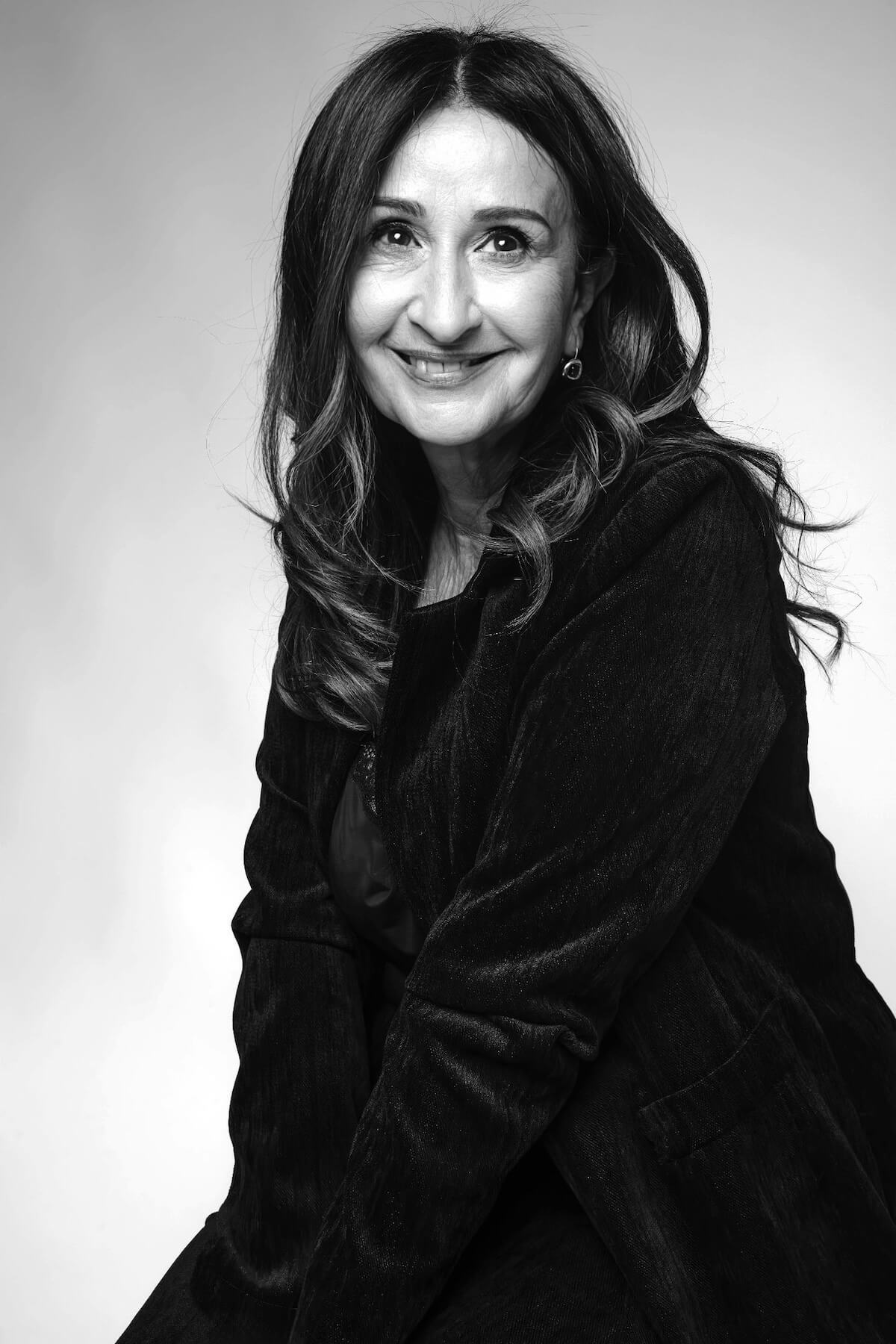
Françoise Nahon – photo © Sophie Kilian
Presiding over the afternoon as its patron is Françoise Nahon, actress, director and founder of the Festival Femmes en Scènes, who spent years building Nice’s most committed platform for women in the arts, which she created and directed for 16 editions. The festival was unique in Nice – pluridisciplinary, professionally rigorous, and driven by a clear set of values: fighting sexist stereotypes, combating violence against women, celebrating creativity in all its forms. Françoise’s presence comes at a particular moment in Nice’s cultural landscape. After the festival’s final edition in March 2025, it speaks quietly and clearly of an important theme’s continuity.
The closing cocktail at 6:15pm is worth staying for. Conversations that begin on stage rarely end when the performers sit down.
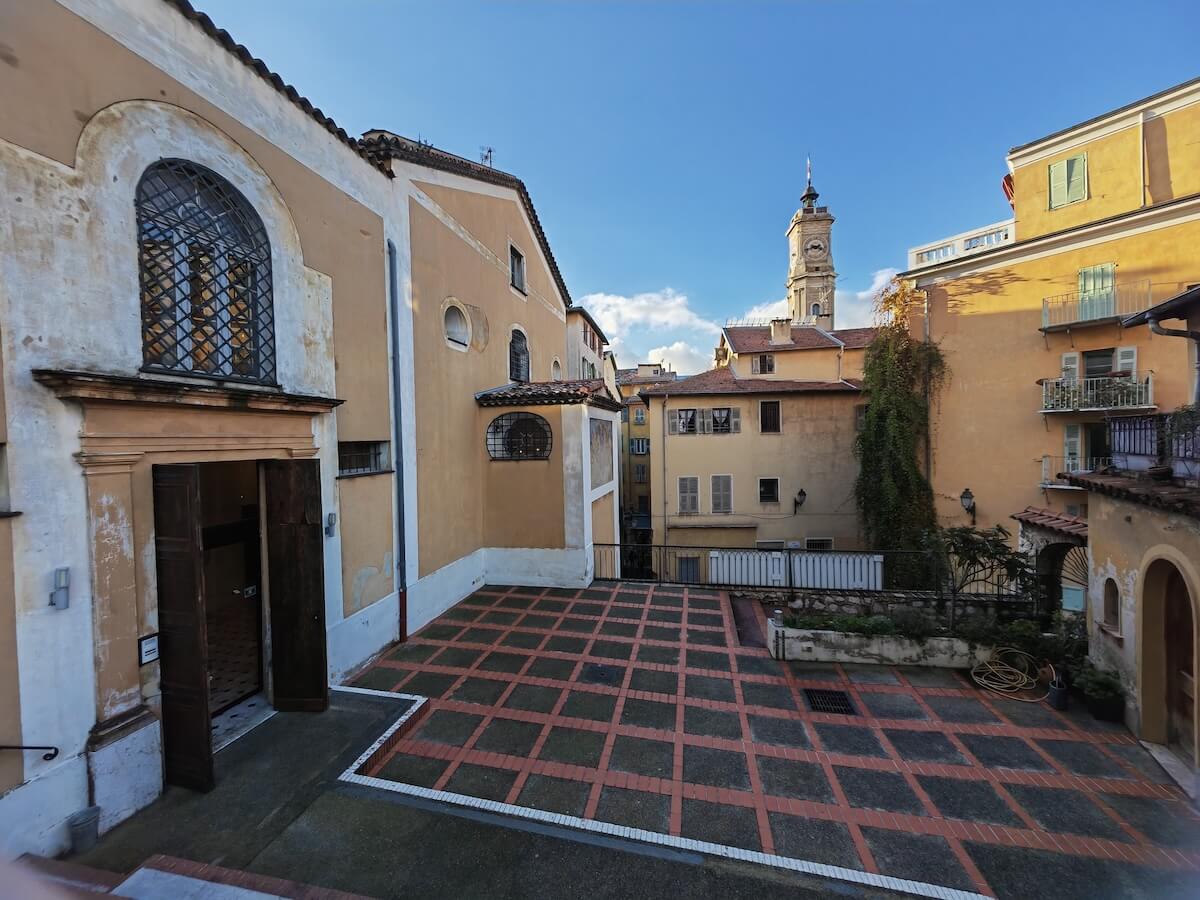
Centre Culturel de La Providence – courtesy La Semeuse
Niçois artists have long understood that honouring the Journée de la Femme means more than marking a date in the calendar. It means putting women’s work on stage, recovering the voices that history let slip, and trusting that a hundred people gathered in a small Baroque chapel can leave the afternoon seeing the world slightly differently than when they arrived. On the evidence of what La Semeuse has assembled at the Providence Cultural Centre for 8 March, that trust seems well placed.

VISITOR INFORMATION
Autrices à Nice | Sunday 8 March 2026, 2pm
Centre Culturel de La Providence | Free entry
Reservations recommended: 04 93 80 34 12
VENUE DETAILS
Centre Culturel de La Providence
8 bis Rue Saint Augustin
06300 Nice
Tel: +33 (0)4 93 80 34 12
Web: https://www.lasemeuse.asso.fr/
PHOTO CREDITS
- Lead image © Frédéric REY
- All other images courtesy Centre Culturel de La Providence and as credited








Leave a comment