


Scientists, filmmakers, and fans of science fiction examine resilience through apocalypse at a multi-site event currently underway across France, including Nice and Cannes.
An astrophysicist walks into a cinema. No, this is not the setup for a joke. At Festival Les Mycéliades, scientists routinely appear after screenings of science fiction movies to discuss “When the world ends, what happens next?” What did the films get right, where did they go wildly wrong, and could humanity actually survive the scenarios depicted on screen.
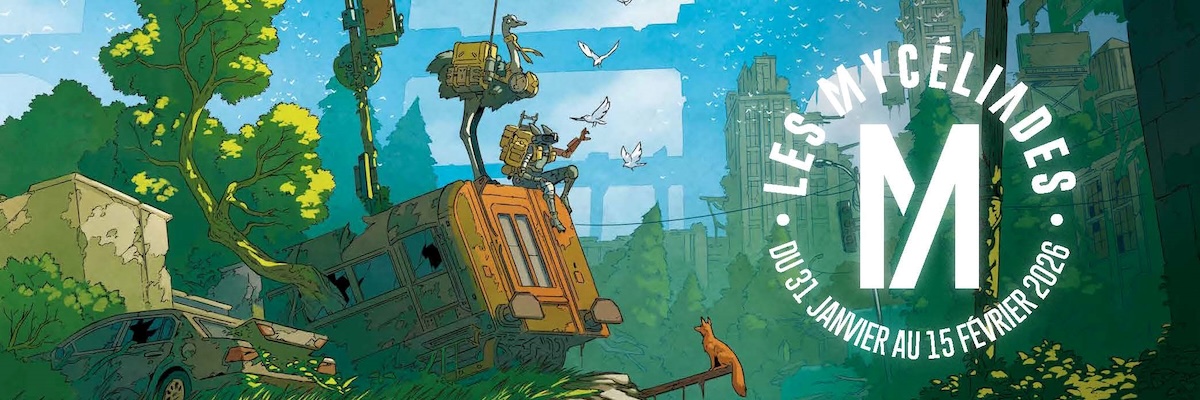
The fourth edition of this nationwide event is currently underway through 15 February across more than 80 French cities, including Nice and Cannes. Part film festival, part science symposium, part literary salon, it is a cultural programme in its own league. Its name is inspired by the mycelium network, underground fungi that allows plants to share nutrients across distances. Connection matters as much as content here.
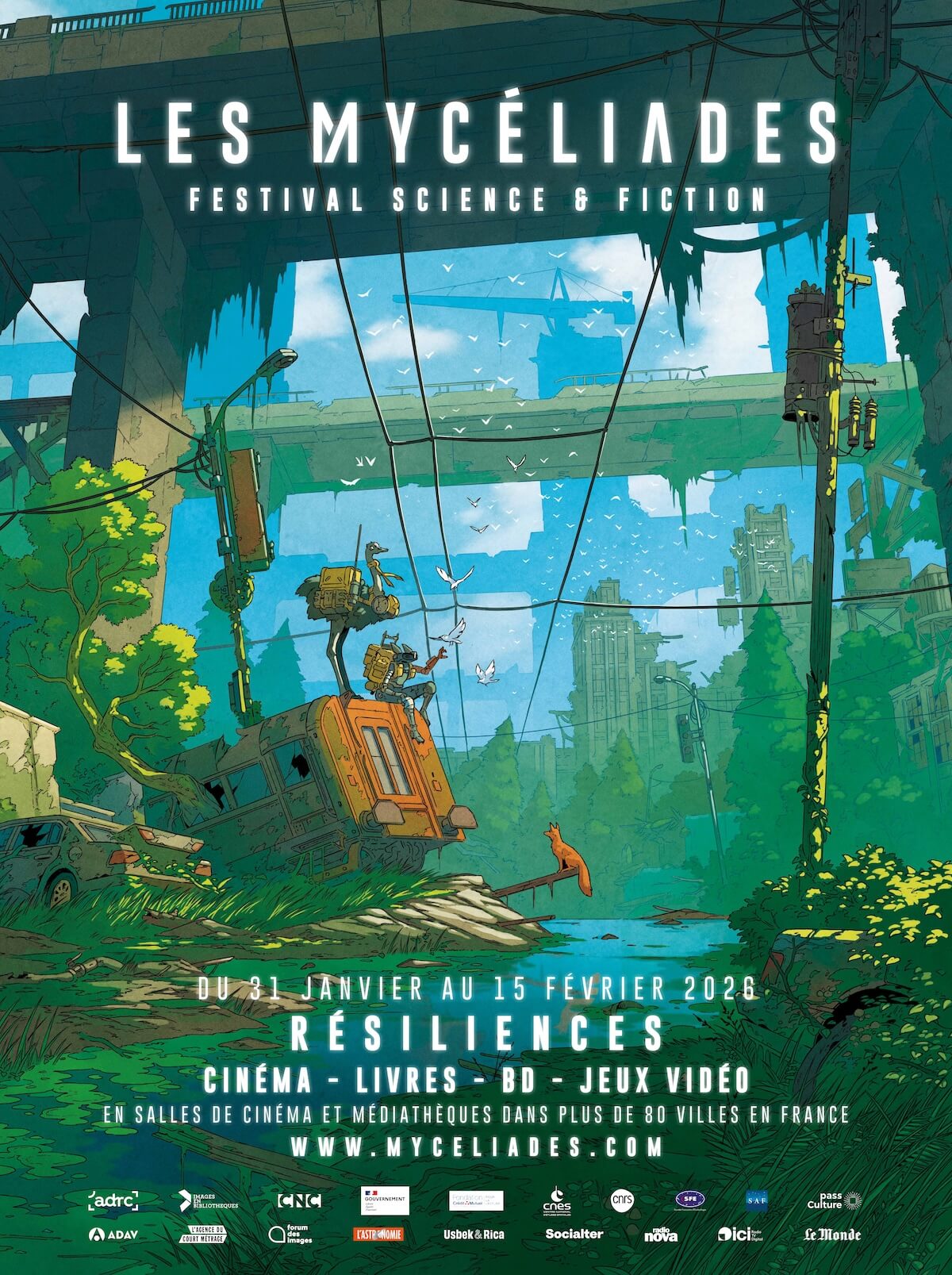
The 2026 theme “Résiliences” examines how communities survive catastrophe. The programming divides this into three strands: disasters, reorganisation after breakdown, and preservation of ecosystems. Environmental apocalypse narratives might at first seem like pure anxiety but the films are wisely curated to bring messages of hope, survival, and new beginnings. And who better as an audience with open ears than the youths who will have to live with an impacted planet and science that develops at warp speed, and not necessarily for the betterment of humankind?
The concept emerged from exactly this question: how best to engage younger audiences with science. Science fiction attracts precisely the demographic that cultural institutions struggle to reach: teenagers and twenty-somethings who might skip a lecture on climate science but will turn up for Snowpiercer. Pair the film with a discussion on resource scarcity led by actual researchers, and suddenly the science becomes context for the story rather than homework. The festival draws younger crowds, but programming spans all ages. Many events carry no restrictions; others are pitched at audiences from ten upwards.
Video via Les Mycéliades on YouTube
Each participating city operates on an identical model: one cinema, one library, working in tandem. The cinema screens the films; the library hosts workshops, discussions, and exhibitions of related books, comics, and graphic novels. Scientists, authors, and filmmakers move between venues, creating an “agora” for dialogue between different forms of knowledge.
Les Mycéliades on the Côte d’Azur
Cannes and Nice take markedly different approaches to the same theme. Their programming is representative of each city’s core values.
Cannes, home to Thales Alenia Space, leans into technological solutions and off-world alternatives. The red thread here is whether humanity can engineer its way past a catastrophic event. Oblivion depicts survivors maintaining infrastructure above a depopulated Earth. Blade Runner 2049 imagines off-world colonies as backup when the home planet fails. Even Planètes, an animated film about dandelion seeds searching for habitable ground after nuclear war, emphasises movement over rebuilding.
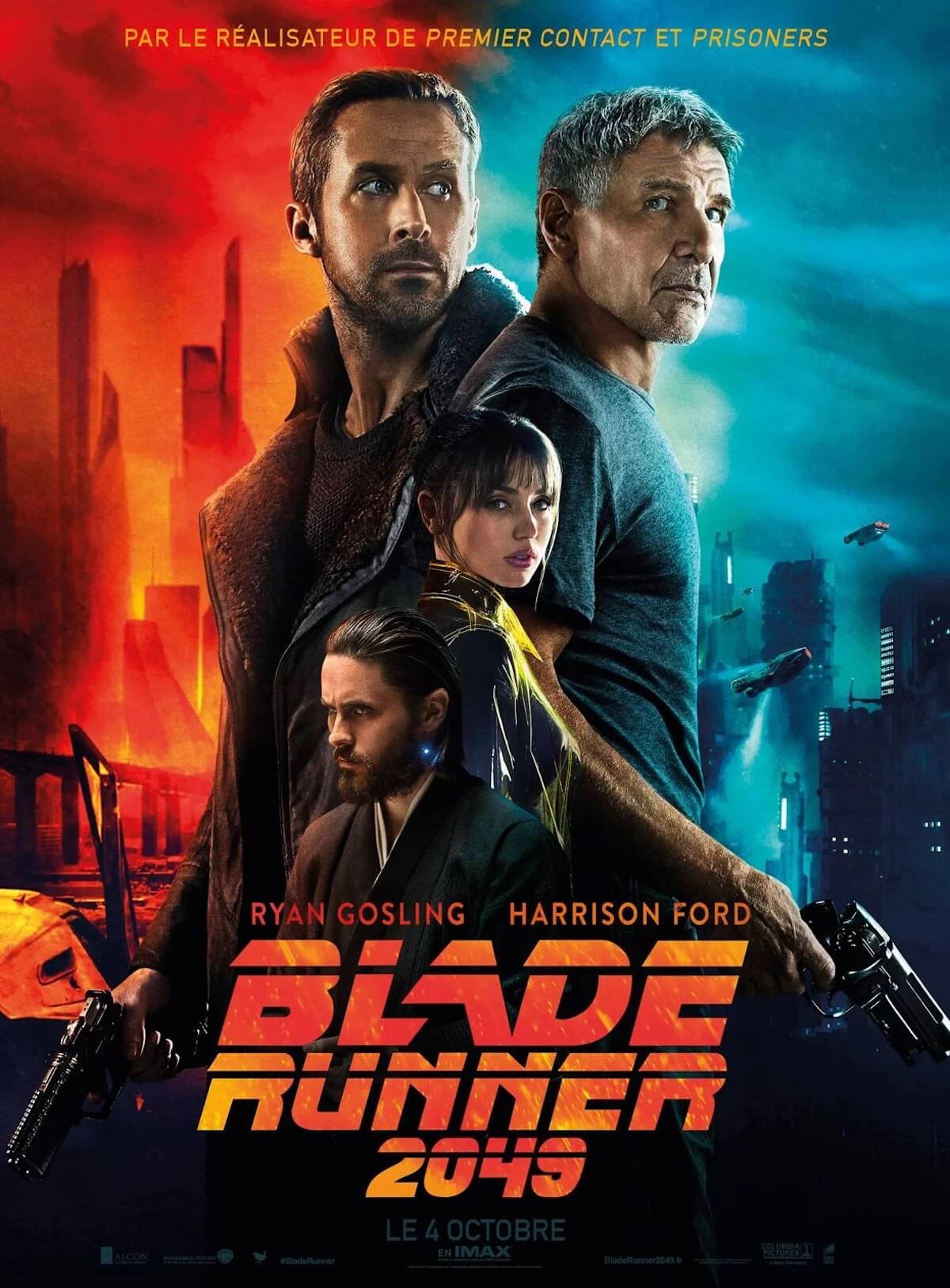
The aerospace-industry logic runs through the entire Cannes programme. Problems have technical solutions, survival requires alternatives, and resilience means capacity to leave and start over. When scientists appear, they address Martian habitability, orbital mechanics, or whether the scenarios hold up to physics. The approach treats science fiction as hypothesis testing: examine the engineering, assess feasibility.
Nice takes the opposite direction. Where Cannes looks upward and outward, Nice looks inward and backward. The programming centres on how humans organise themselves in the face of irreparable disaster. Children of Men examines what happens when hope disappears. Le Règne animal, where humans transform into animals, asks who decides the boundaries of personhood when those boundaries dissolve.
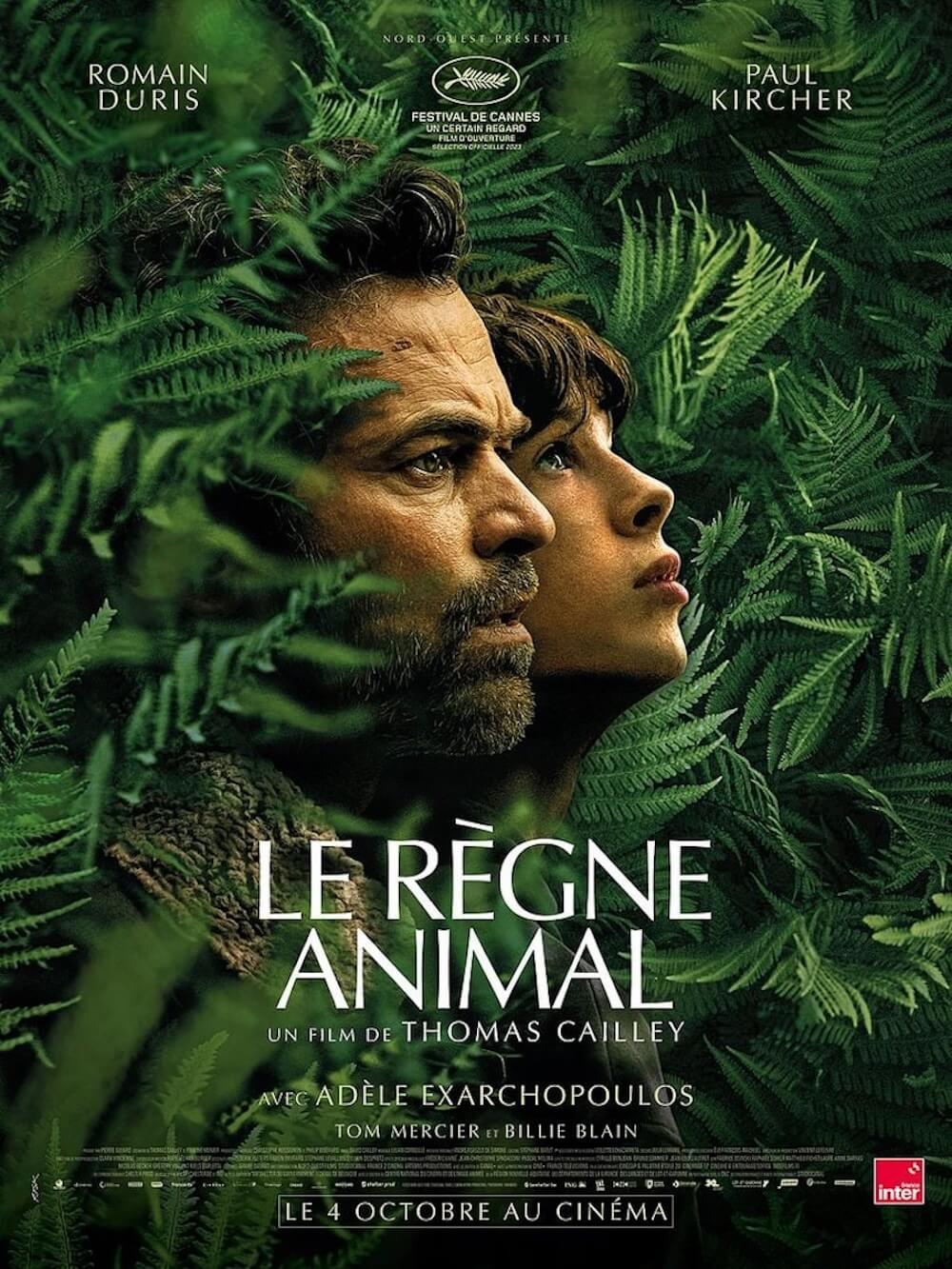
The Nice conferences reflect this humanities approach. Here, political scientists discuss governance, philosophers examine ethical frameworks, and cultural critics analyse how past generations imagined their endings. And a cosmology lecture examines stellar processes and elemental composition – reminding audiences that resilience is literally built into our atomic structure.
Neither approach stands complete alone – in fact, they complement each other. Cannes offers engineering: build better systems, find new habitats, innovate solutions. Nice offers historical and philosophical perspective: understand how humans behave under pressure, learn from past experiences, and recognise that technology alone cannot prevent social breakdown. Together they stage a debate fundamental to science fiction itself.
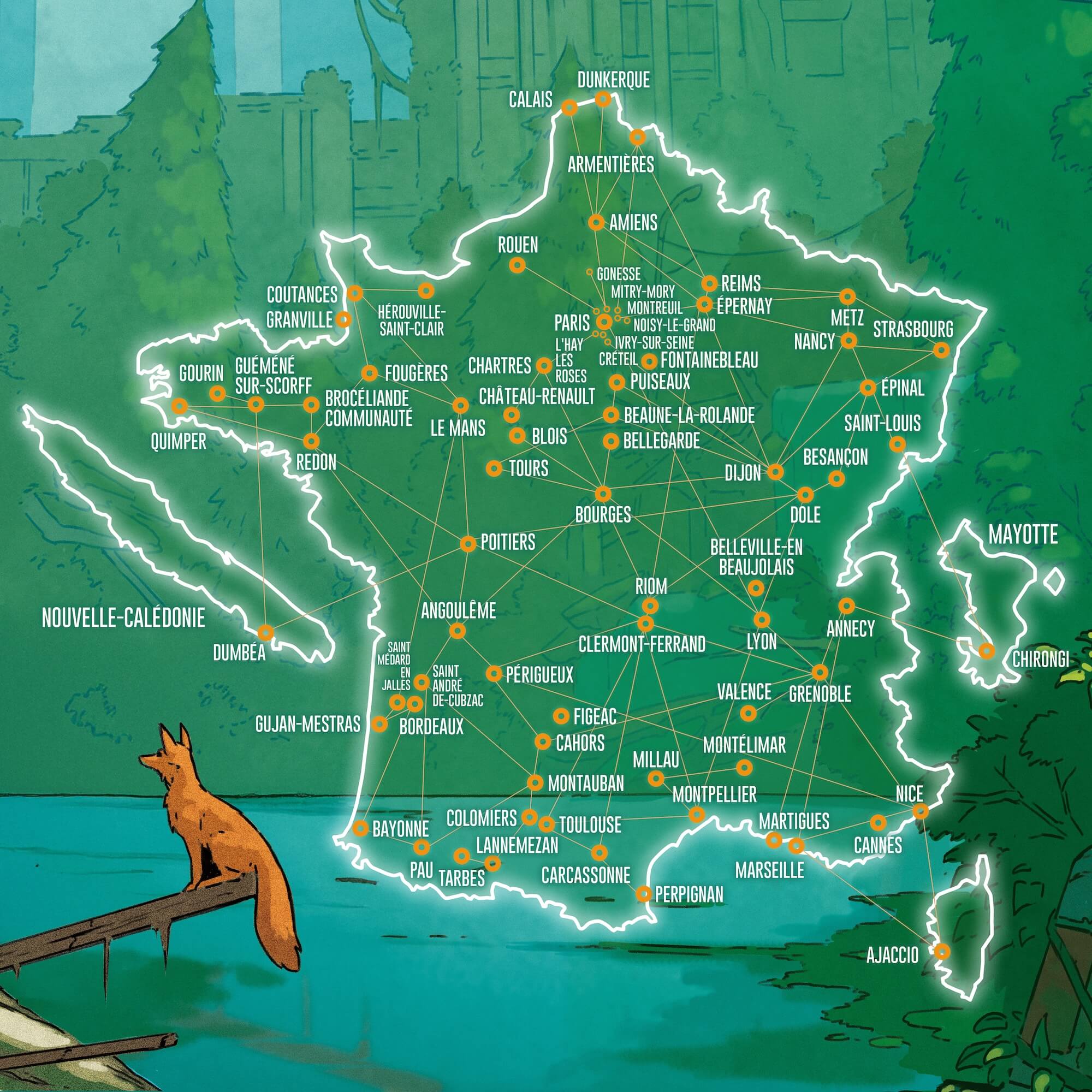
This Cannes-Nice dialogue reflects a tension at the heart of resilience thinking itself. But the conversation reaches far beyond the Riviera. The festival extends from Paris to the four corners of the Hexagon, and all the way to Mayotte and New Caledonia. The nationwide scope for a fourth-year festival suggests either admirable ambition or determined optimism.
Science fiction functions here as more than entertainment. Films about apocalyptic events provide a basis for reflecting on adaptation, novels about ecosystem collapse offer vocabularies for biodiversity loss, and comic books about authoritarian futures sharpen analysis of civil liberty erosions. Whether the festival achieves its stated aim of making science accessible through fiction remains unmeasurable. At a minimum, it creates spaces where people engage with science fiction as a discipline rather than a genre, treating apocalyptic narratives as frameworks for thinking seriously about adaptation, resilience, and survival.

VISITOR INFORMATION
Les Mycéliades | Through 15 February 2026
More than 80 participating cities across France and overseas territories
Full programme and city-specific schedules: myceliades.com
NICE PROGRAMME HIGHLIGHTS
Cinéma Variétés
- 12 February, 7:30 PM – Le Règne animal with Yannick Rumpala
Bibliothèque Raoul Mille
- 11 February, 2:30-4:30 PM – Conference: “Comment vivre après le chaos?” with Cédric Dall’Aglio (registration required)
Bibliothèque patrimoniale Romain Gary
- 13 February, 5:00-7:00 PM – Conference: “Nous sommes tous des poussières d’étoiles” with Eric Lagadec (free entry, limited capacity)
CANNES PROGRAMME HIGHLIGHTS
Cinéum Cannes
- 8 February, 11:00 AM – Planètes
- 10 February, 7:00 PM – Oblivion with discussion
- 13 February, 7:00 PM – Blade Runner 2049 with discussion
Cinéma Olympia
- 13 February, 7:30 PM – Oblivion
- 15 February, 10:30 AM – Planètes
Médiathèque Noailles
- 11 February, 2:30 PM – Conference: “Peut-on vraiment rester ‘Seul sur Mars’?” (free entry, reservation advised)
PHOTO CREDITS
- Lead image by David Wirzba on Unsplash, licenced under the Unsplash License
- All other photos and images courtesy Festival Les Mycéliades








Leave a comment