


The Eternal City has not yet revealed all her secrets. But some are about to come out in this new mini-series, broadcast this March.
If you never enjoyed Mr. Wagner’s history class in sixth grade, that is very understandable. Simply rehashing names and dates of times long gone by is nobody’s idea of fun… or is it? Fabrice Hourlier and Stéphanie Hauville, the figure heads behind Indigènes Productions in Paris, love doing just that – but with a twist: they bring historic figures and stories back to life in a way so entertaining that it’s like watching a forensic documentary wrapped in an action movie.
In their brand-new creation L’Histoire étonnante des Romains (The Surprising History of the Romans) the spotlight is on Rome, its heroes and villains, its engineering and commercial genius, and the political and strategic machinations – but from a different angle, one that textbooks rarely or never speak of. The miniseries screens on 16th and 23rd March on Histoire TV, and will also be streamed on MyCanal, SFR, and Orange. The production will be broadcast in English at a later date under the title Roman Empire beyond the Myths.
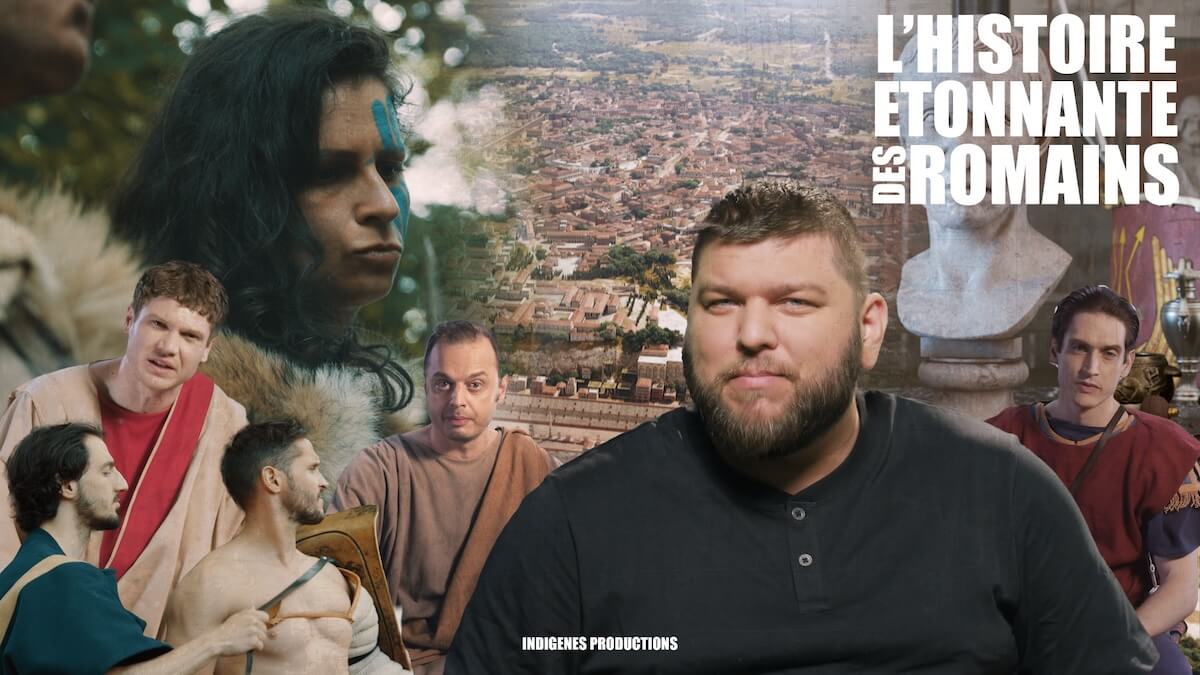
Hosted by Benjamin Brillaud – alias Nota Bene, one of France’s most beloved history communicators – The Surprising History of the Romans spans four episodes of 52 minutes each and takes a fresh approach to Antiquity. But this is Rome as you have never seen it.
Do as the Romans do… or maybe not?
Each instalment anchors itself in a fictional but representative character: a merchant, a senator, a gladiator, and a Praetorian guard, and through their eyes we witness pivotal moments in Imperial Roman History, spread out over centuries. We see great women reclaim their place in the story. Emperors reveal themselves in a new and often unexpected light. Citizens from all walks of life – not just the powerful – have their say. And surprising secrets and anecdotes reframe what we thought we knew.
The series also asks questions that are deceptively simple but endlessly fascinating: how were public baths heated? Could slaves compete with the wealthy? How many Romans were left homeless after the Great Fire? Could a gladiator earn as much as a modern-day footballer?
Episode 1 — Merchant under Julius Caesar (1st century BC)
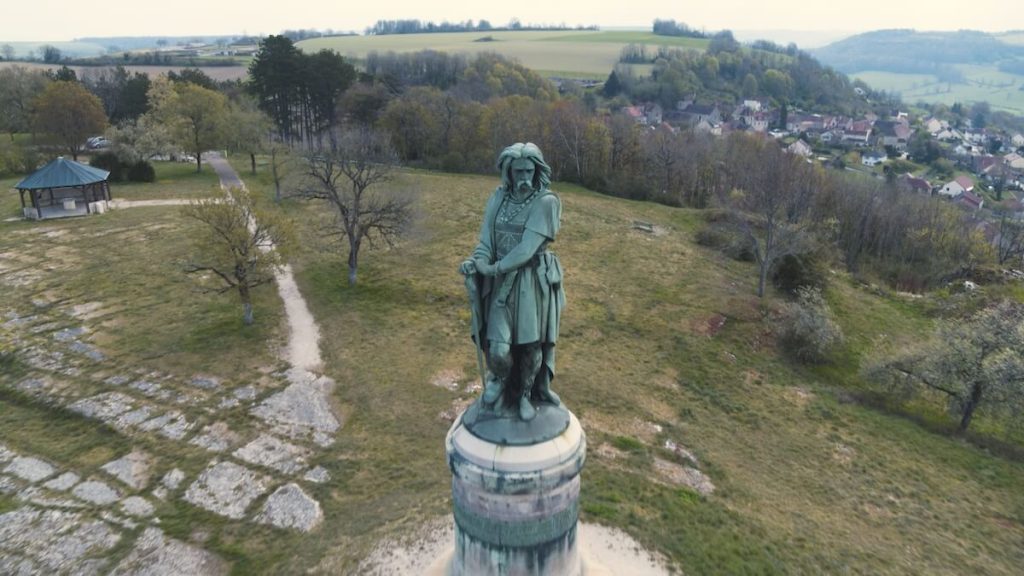
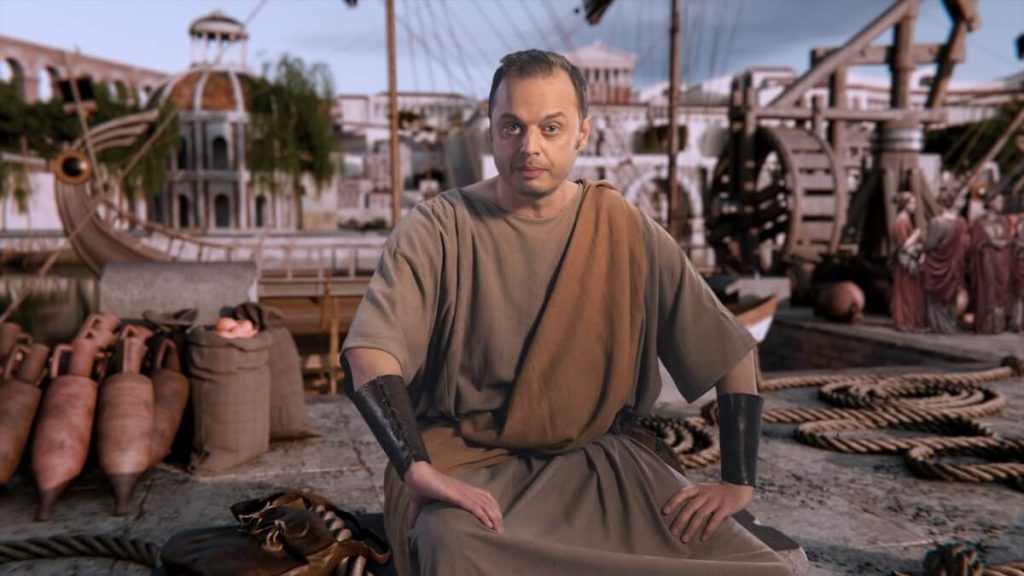
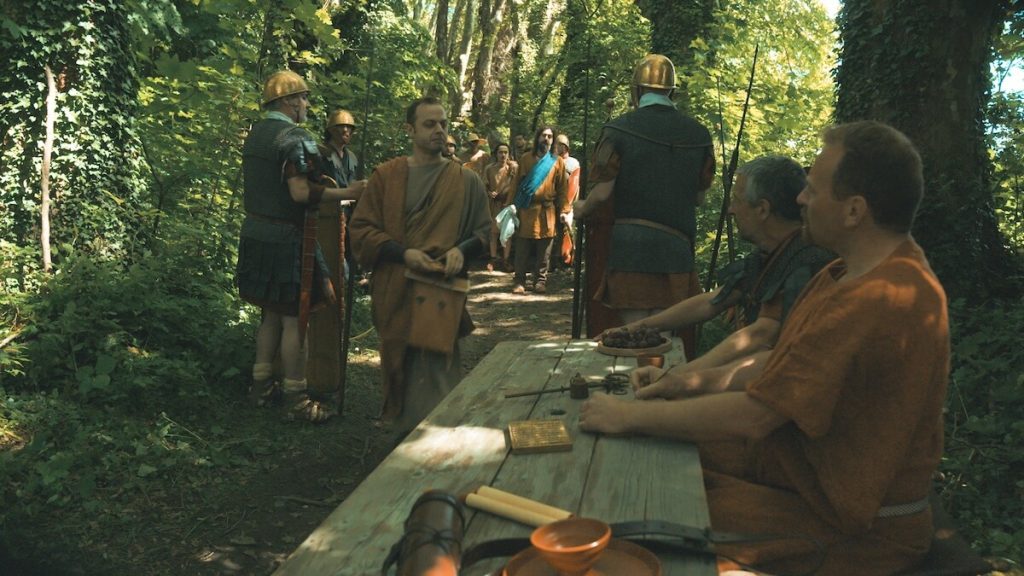
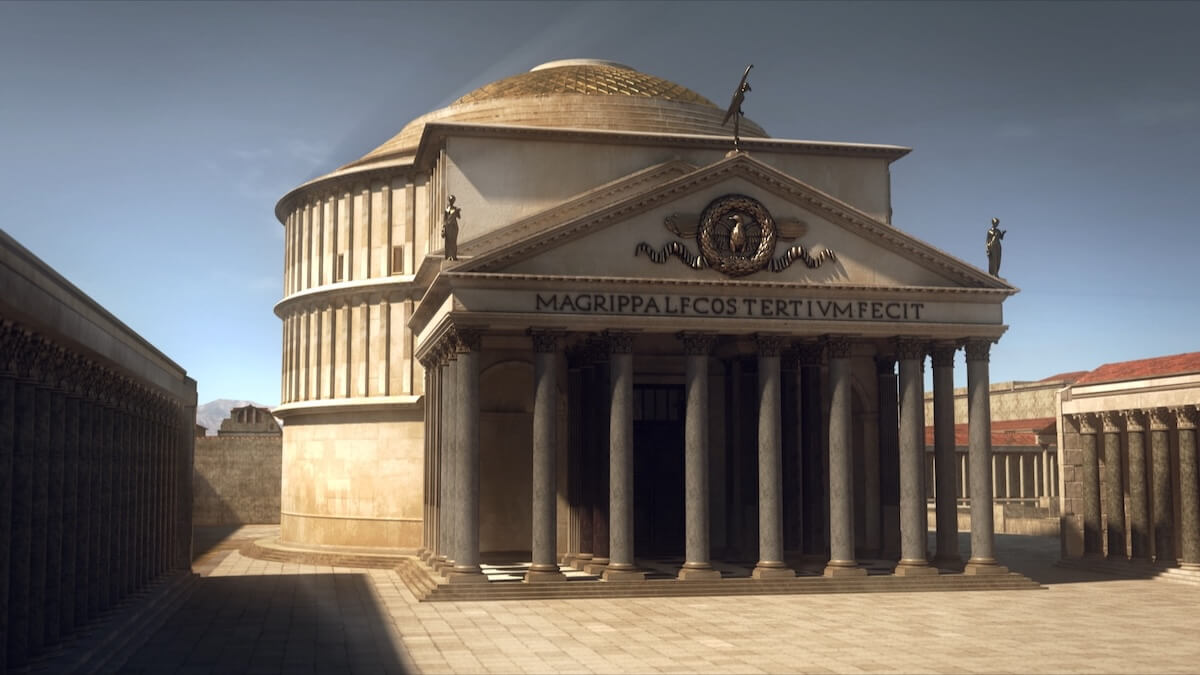
Lucius Aulus Mercator, an ordinary Roman wine merchant, tells us about the daily reality of trade: transporting goods, paying customs duties, handling currency, navigating sea routes, and conducting business across an empire in full expansion. The episode takes us to Alesia, where the fate of Gaul was decided and the darker side of Julius Caesar, ruthless strategist responsible for mass killings and enslavement, is laid bare. We then meet Cleopatra, great queen of Egypt and formidable political ally, before arriving in the heart of Rome to marvel at the Pantheon, symbol of eternity and imperial power.
Episode 2 — Senator under Nero (1st century AD)
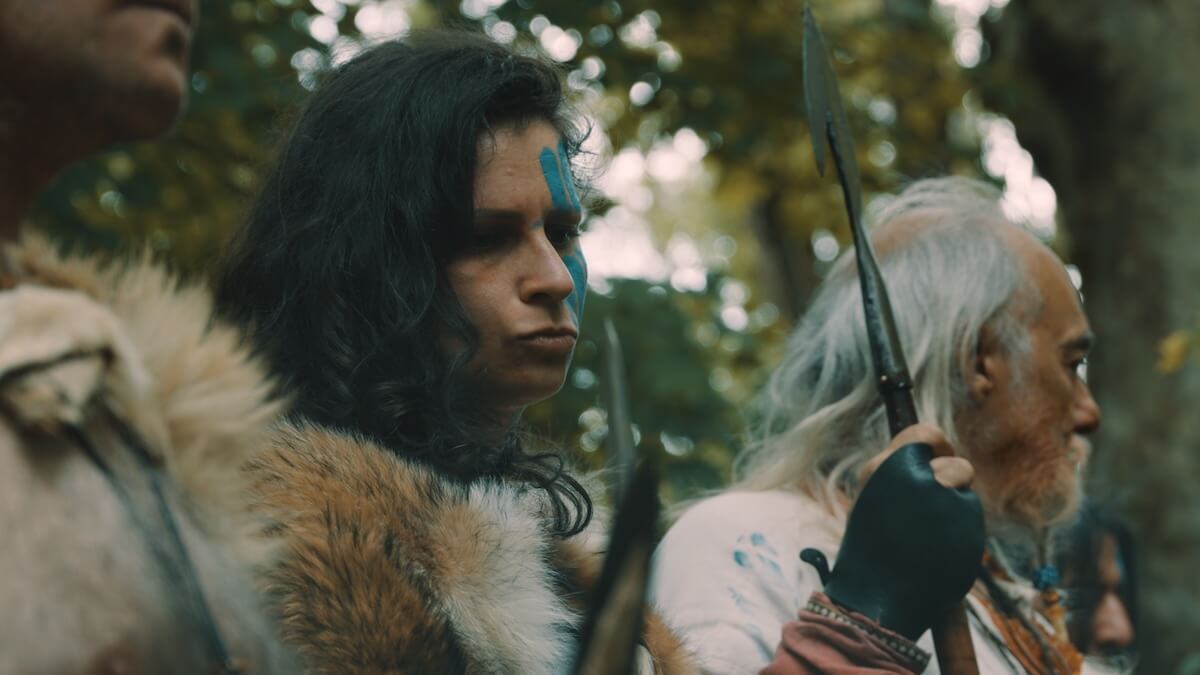
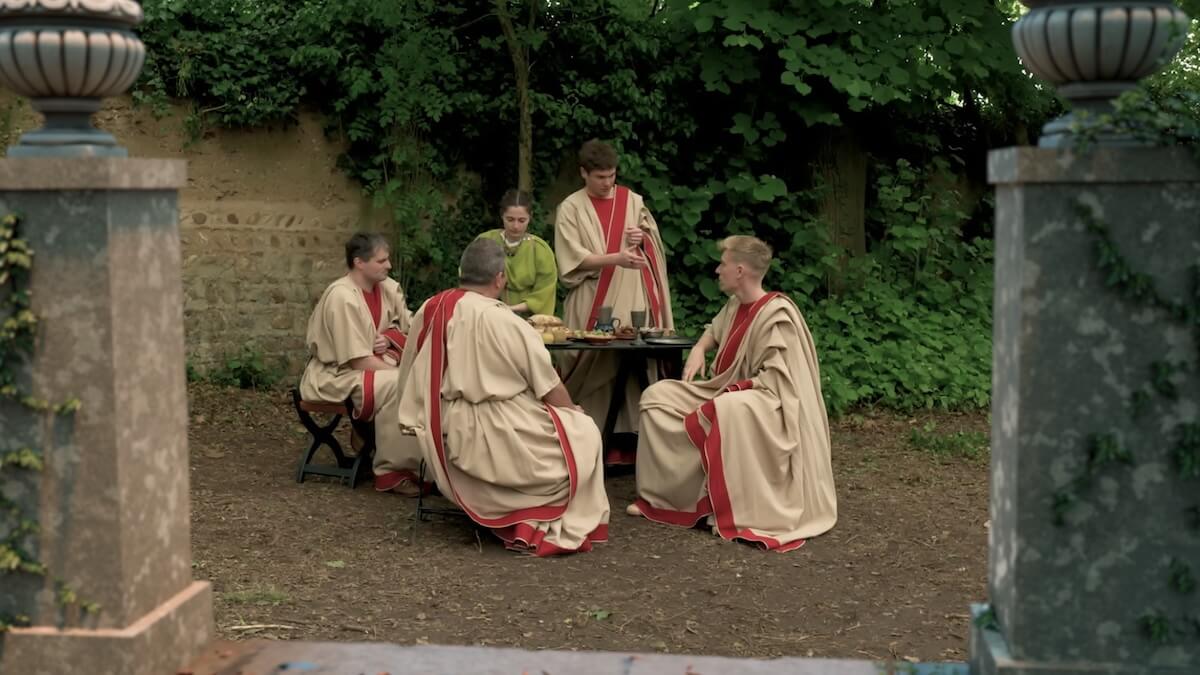
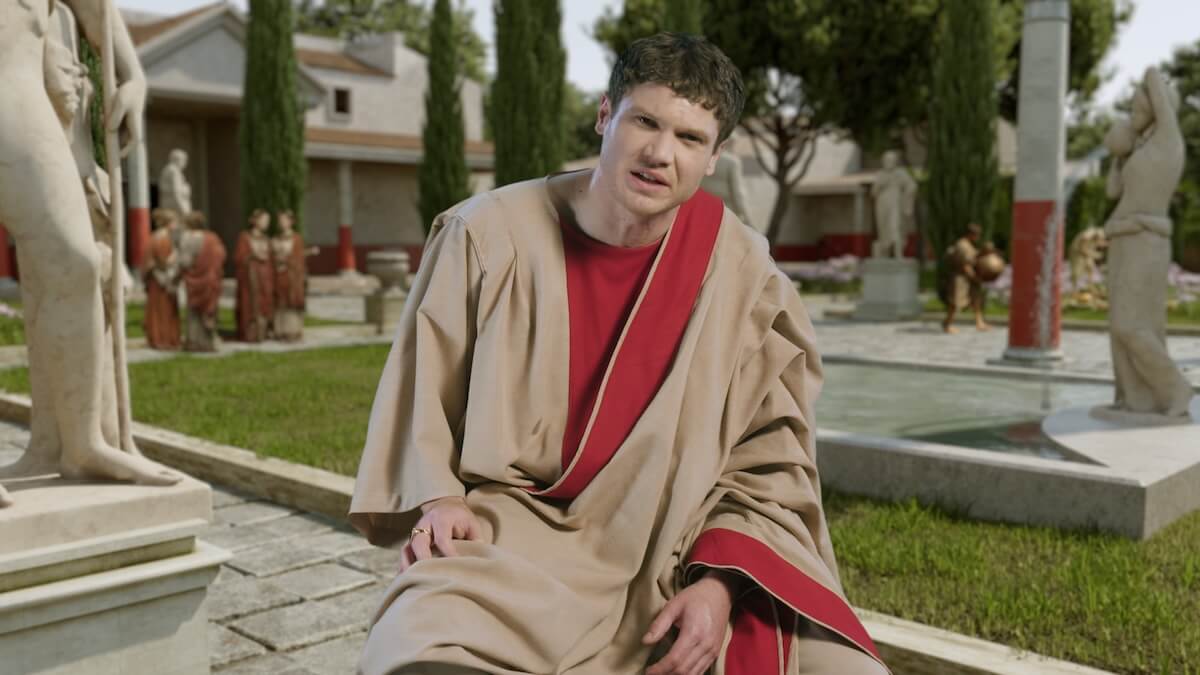
Through Gaius Helvidius Priscus, a real Roman senator and Stoic philosopher, we learn about the daily life of an aristocrat under the reign of Nero, an emperor as fascinating as he was feared. Amid intrigue, denunciations, and political terror, this episode lays bare the tragic fate of the elite in the face of imperial madness. Meanwhile, far from Rome, Boudicca, the Celtic warrior queen of Britain, leads a revolt of rare violence against Roman rule. Then the Great Fire of Rome devastates the capital, paving the way for the construction of the Domus Aurea, Nero’s monumental palace built to his own glory, whose secrets we uncover, from its revolving dining room to its opulent, gold-encrusted architecture.
Episode 3 — Gladiator under Commodus (2nd century AD)
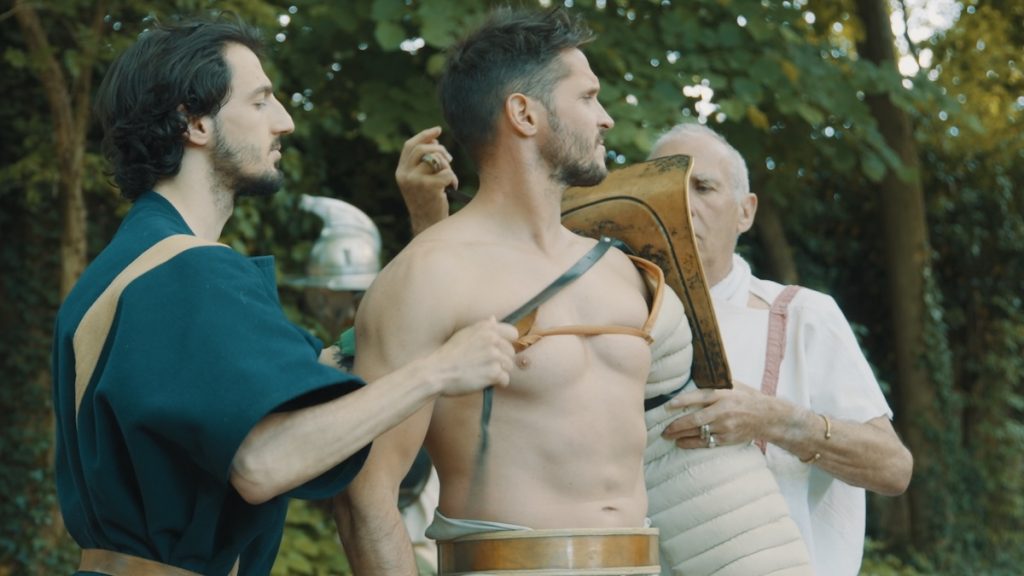
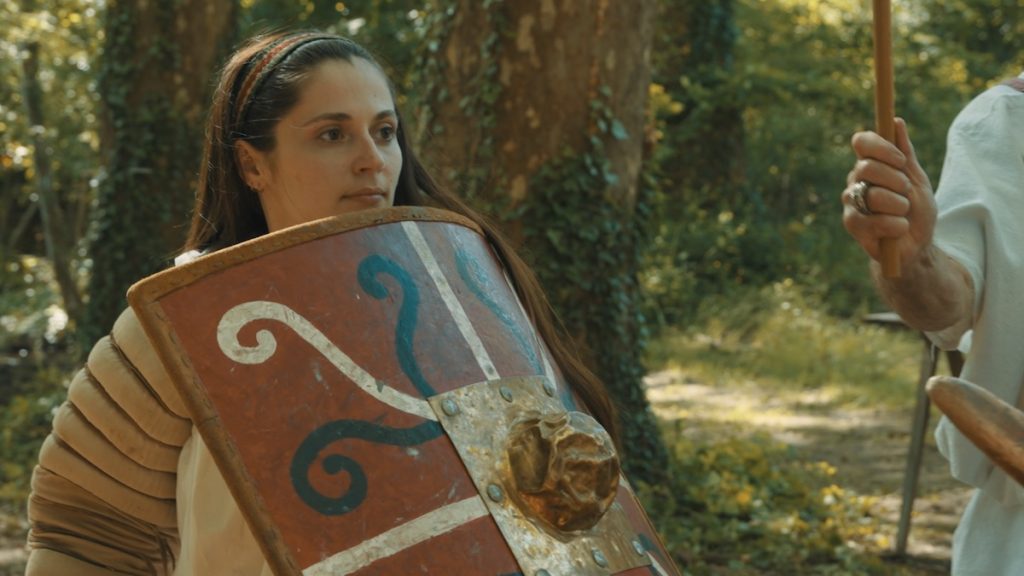
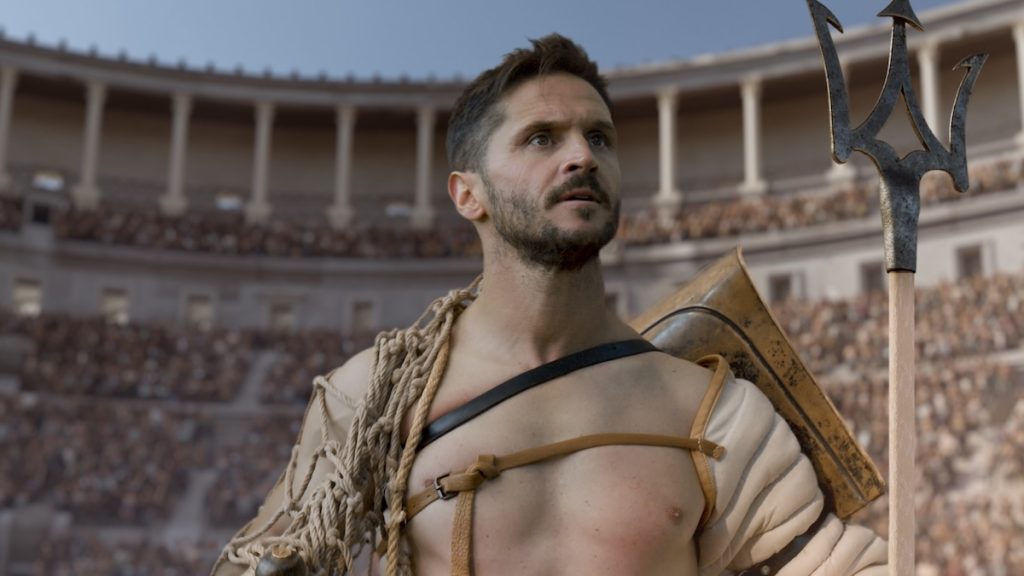
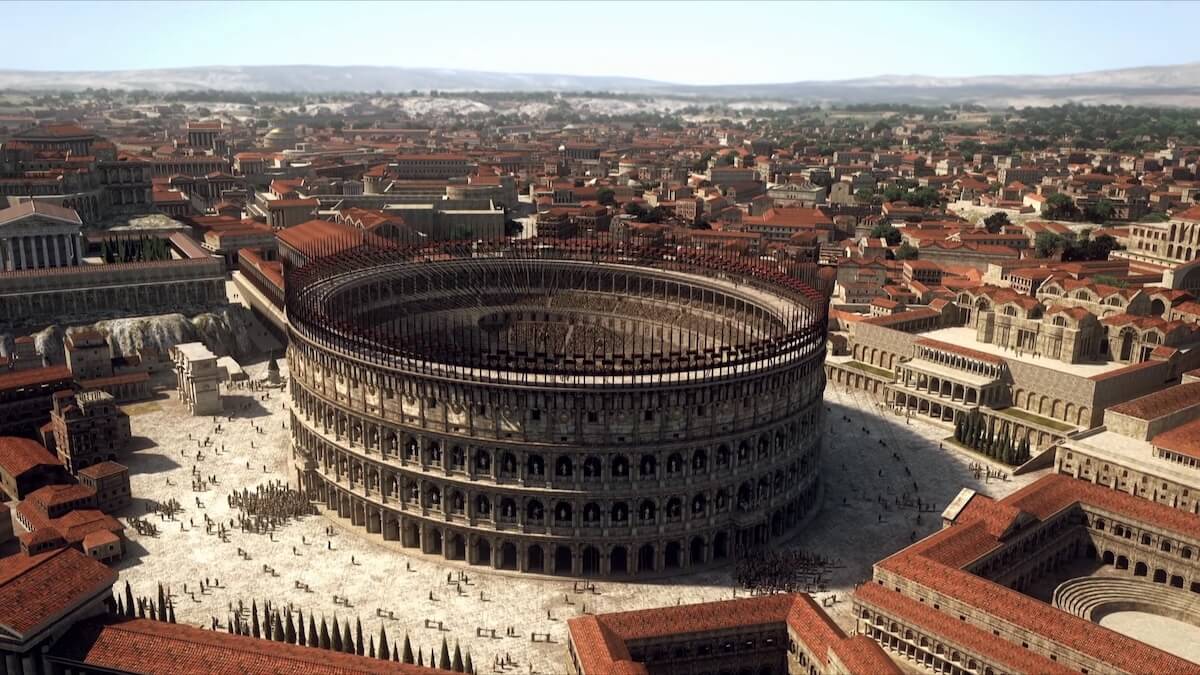
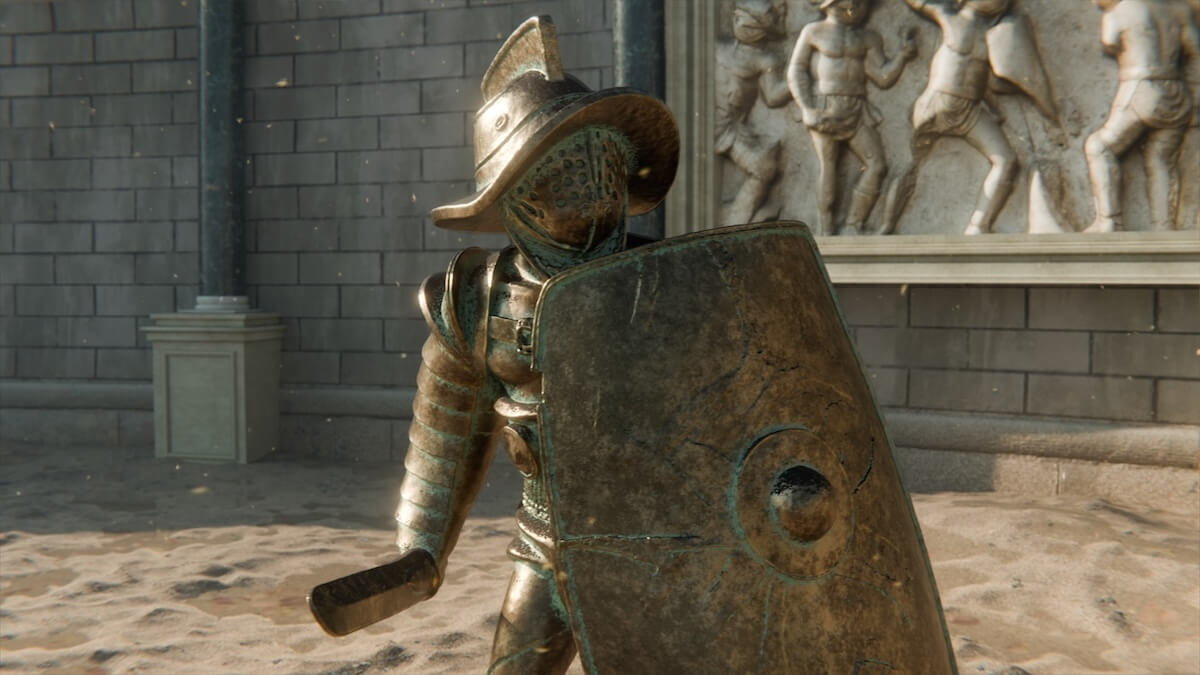
Vidar, a fictional gladiator nicknamed the Scourge of the Danube, takes us behind the scenes of gladiatorial life: training, hierarchy, glory, and the business of blood. Under the reign of Commodus, bloodthirsty emperor and obsessive games enthusiast – the villain, or anti-hero, of the film Gladiator – Rome becomes a theatre of unbridled excess. The Battle of Laugaricio, Marcus Aurelius’s final victory against the Germanic tribes at the northern edge of the Empire, serves as a reminder of Rome’s military might, while Lucilla, sister of Commodus and leader of a conspiracy to assassinate him, embodies the plots and destinies of women in the aristocracy. Finally, we enter the Colosseum, a marvel of engineering that could hold up to 80,000 spectators, and an enduring symbol of Rome’s fascination with spectacle.
Episode 4 — Praetorian Guard under Caracalla (3rd century AD)
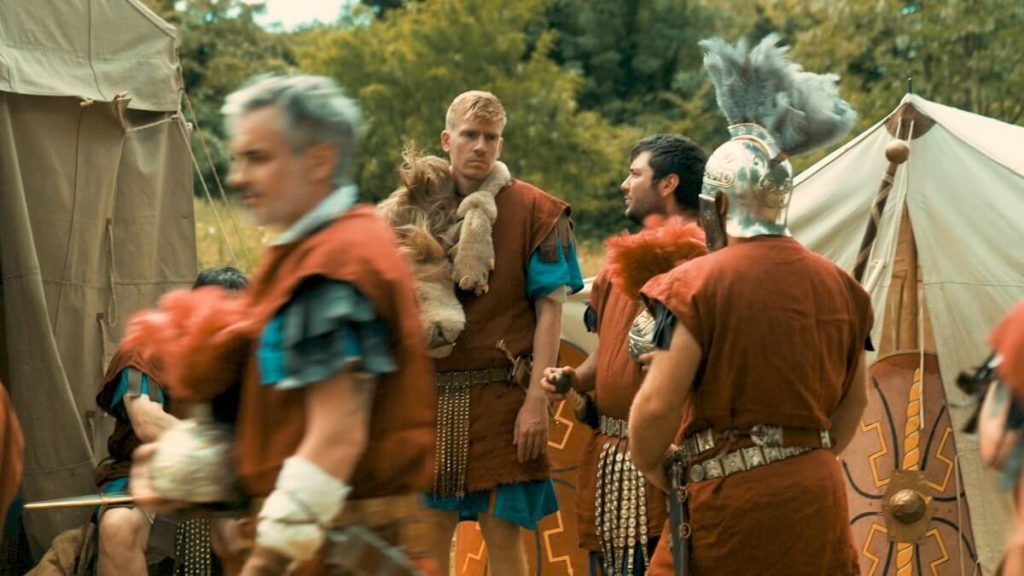
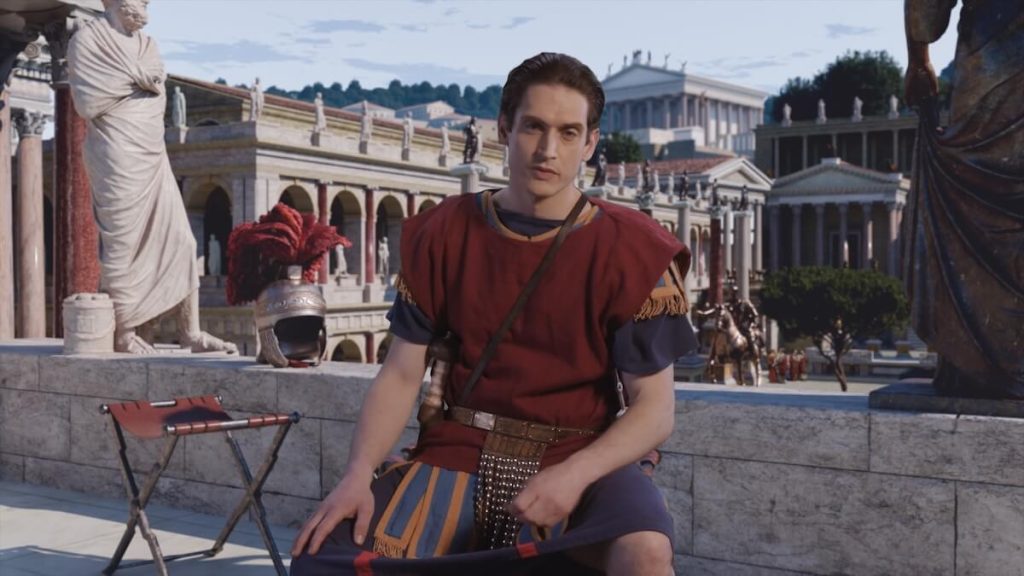
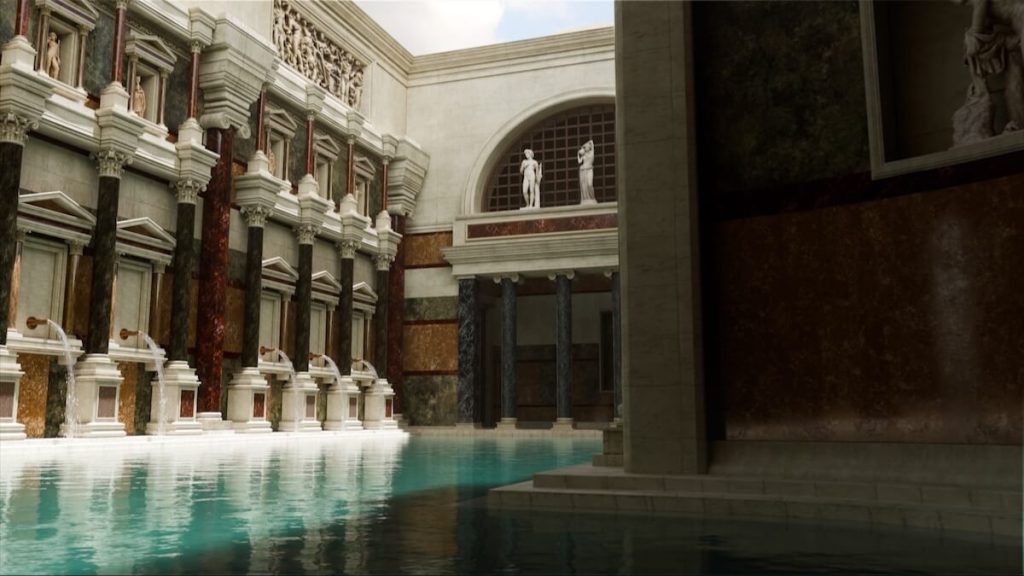
Finally, we get insight into the daily life of Gaius Flavius Drusus, a Praetorian guard of Germanic origin who is an elite officer in the service of a violent and unpredictable emperor. Under the reign of Caracalla, a bloodthirsty despot who dreamed of emulating Alexander the Great, the episode revisits the massacres of Alexandria in 215 AD, when a brilliant city and culture were crushed. It also explores a major political revolution: the edict granting citizenship to all free inhabitants of the Empire, uniting Rome under a shared culture. Alongside Julia Domna, mother of Caracalla and true ruler of the Empire, we explore the female face of power, before arriving at the Baths of Caracalla, a triumph of ingenuity and a monument to an Empire at the height of its greatness and excess.
Rebuilding Rome
Moving fluidly between grand historical events and intimate daily life, each episode culminates in a legendary monument and Rome itself, fully reconstructed in 3D across all four periods, and vividly brought to life through extraordinary reconstructions, dramatised sequences, and contributions from renowned international experts, under the dynamic direction of Fabrice Hourlier. To rebuild Rome, it took no less than 40,000 buildings created in 3D and placed by hand, one by one.
It is that kind of meticulous attention to detail that has established Indigènes Productions’ reputation in France and throughout the world. The stories of historic figures, and even epochs, that the studio revisits and animates in spectacular CGI-assisted documentaries are of epic proportions in more than one sense, like Napoleon’s Russian and Egyptian campaigns, Au Nom d’Athènes, Aile Contre Aile, and more recently, Mégapolis, and a deep dive into 2,000 years of French history.
RIVIERA BUZZ had the opportunity to talk with Stéphanie Hauville, Indigènes’ producer and president, as well as co-author of virtually every of its monumental productions.
We have followed Indigènes for over ten years now, and seen you go from strength to strength. Your productions are extremely professional and impeccably researched, your angles original, and your stories entertaining. Please tell us about the genesis of this new series.
This is an ambitious, generous project, born of a shared passion… and carried by remarkable talent, starting with our star presenter, Benjamin Brillaud, alias Nota Bene. With his unique, accessible, and funny style, he has an unmatched ability to draw us into history — in his own way, and that is what we love. And we are not the only ones: he has gathered millions of followers on his YouTube channel.
This wonderful adventure grew out of a spontaneous, effortless meeting of minds between people who share a passion for history: Fabrice, Benjamin, and myself. We exchanged cards, laughed, talked at length, and dreamed a little too. And very quickly, the desire to create an original historical documentary series together became irresistible. Histoire TV came on board immediately, and with great enthusiasm.
The goal: a series that conveys rigorous knowledge, but always in a way that is alive, embodied, and even spectacular. Based on an original idea by Fabrice Hourlier – a writer-director as prolific as he is talented – the concept took shape: the periods, the characters, the themes.
How did you go about developing this story?
Fabrice is a river of ideas in constant motion. He has made numerous prestigious historical documentaries that were broadcast around the world. He knows how to bring lost worlds back to life, and how to put images at the service of history.
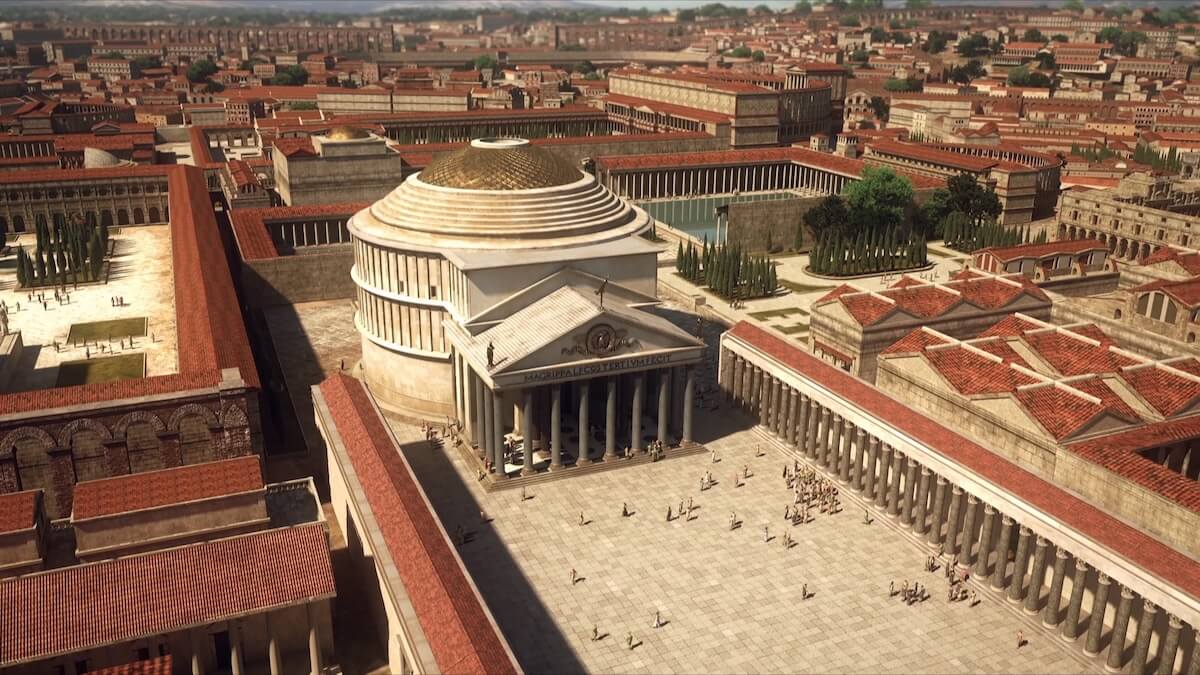
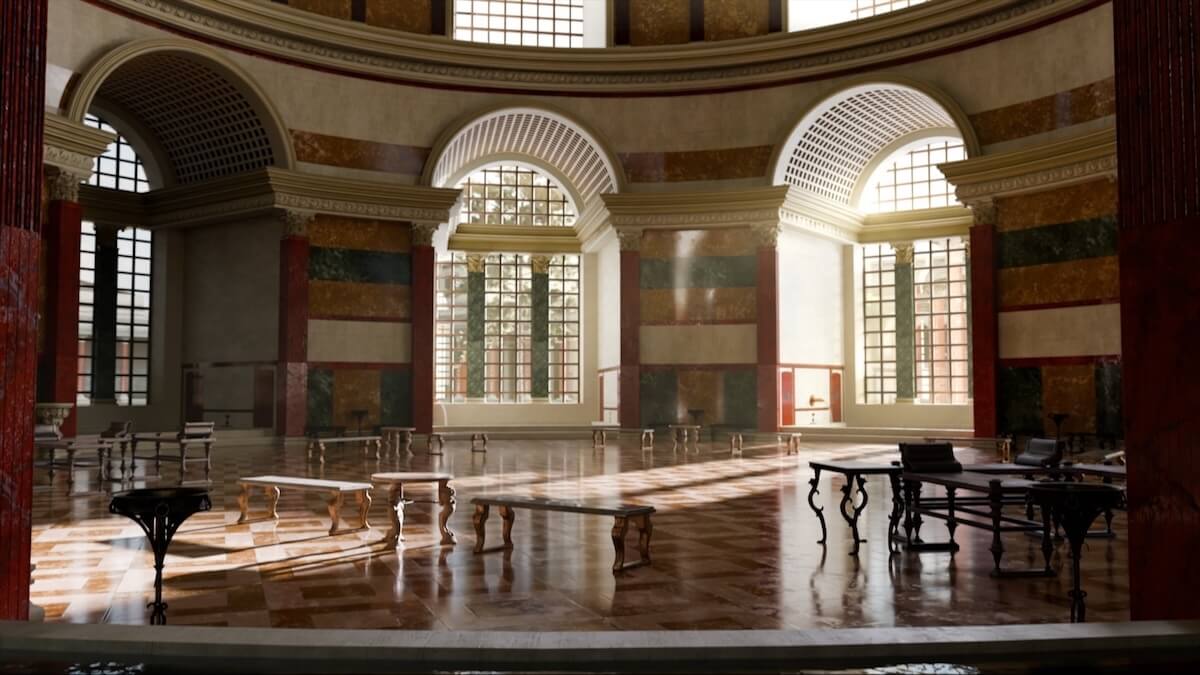
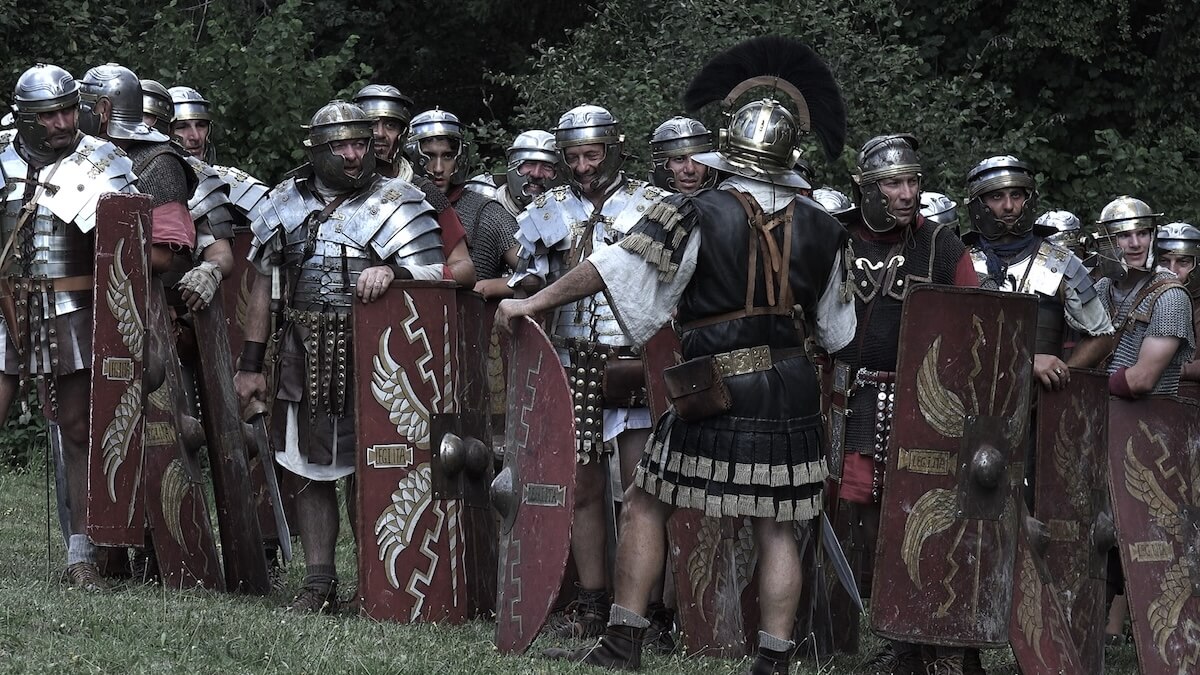
Under his direction, the creative studio team at Indigènes gave Rome its flesh in 3D: its streets, its baths, its arenas, its tumult, its monuments, giving you Rome across four different centuries. He assembles around him actors, technicians, re-enactment associations, along with costumes and props… And one fine day you find yourself in the middle of the Lyon countryside, surrounded by 45 or 50 legionaries, slaves, gladiators, and barbarians for a shoot that was supposed to be “small”… and which turned into a full-blown epic. But thanks to Fabrice, you don’t just watch history: you step inside it.
I am myself passionate about history and antiquity. May I mention a distant academic past at the Sorbonne in history and archaeology? It left me with a taste for research, and I love discussing our texts with specialists and hearing their perspective. And working with Benjamin and Fabrice – two passionate people who are as exacting as they are generous – has been a pleasure at every turn.
Your films are regularly made for renowned French and international TV channels such as ARTE or France 2. In comparison to big budget giants, Histoire TV is small. Give us some behind-the-scene insight into the collaboration with them.
It was an enormous gamble: limited budget and a broadcast slot on a small subscription channel with great ambitions demanded colossal work and sacrifices on all fronts, and many sleepless nights – yet we believed in it.
There are many good reasons to collaborate with a smaller channel, starting with greater editorial freedom than we would have in standard history documentaries. That way we could introduce the fictitious characters who tell the story of Rome “on the ground”.
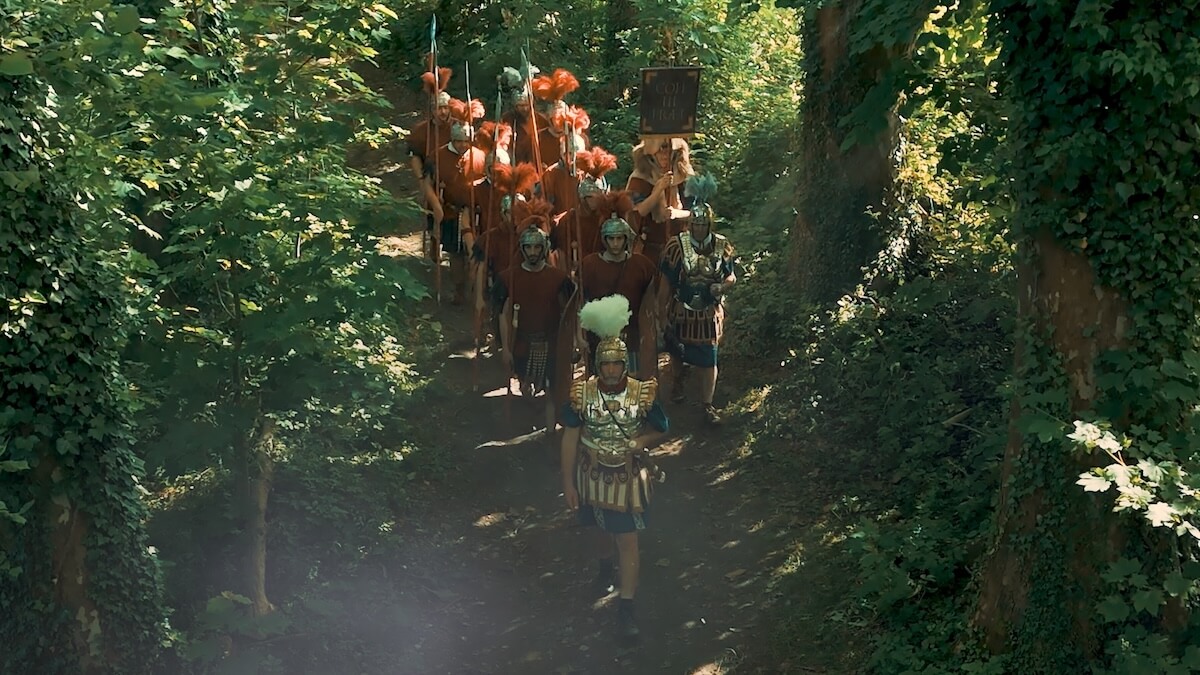
In a tradeoff though, we had to make do with a very limited budget. Everyone worked hard and contributed whatever they could. One Roman re-enactment association, Pax Augusta, who had previously worked with us on The Destiny of Rome, were absolutely brilliant and even slept in their Roman encampment! We also shot with real actors, whom we had speak directly to camera as living witnesses. Inevitably, since none of this had been planned, we had to cut costs on production and especially post-production. Fabrice, Eliott (our production director) and I ended up doing a huge number of tasks ourselves, and I finished more exhausted than I have ever been in my life.
This series clearly had real international appeal, which ultimately led us to produce a total of eight films, after removing elements that were specifically French and replacing some of our YouTuber’s contributions with narration, iconography, or additional expert input. Producing it was demanding and exhausting, but we were committed to delivering a high-quality experience for audiences both in France and abroad. Indeed, without the financial support of international broadcasters, this series simply could not have existed. Fortunately, ZDF Info (Germany) came on board as a co-producer, and we secured pre-sales from Viasat and Telefónica.
Finally, this series allows us to reach a different audience, which is important to us, as we love sharing our stories with viewers of all ages and backgrounds. Its lively and accessible tone also makes it easier to travel internationally, unlike more rigidly formatted projects from major networks. For us, this collaboration with Histoire TV has been both positive and enjoyable, and we look forward to sharing it with audiences here and abroad.
And can you already tell us a little bit about your upcoming productions?
Indigènes is currently producing The Hundred Years’ War — The End of an Era, a 2×52-minute film for Arte in prime time. This production takes us deep into the Middle Ages, amid the final battles of chivalry in the 14th and 15th centuries, with a focus on ordinary people: how did they experience the longest medieval conflict, and how was society profoundly transformed as a result.
We are looking forward to it. Thank you, Stéphanie!
One might argue that teaching history in school and narrating it on television are two very different things. Indigènes Productions quietly proves the opposite. With passion, rigorous research, and a flair for storytelling, Hourlier, Hauville and Nota Bene turn what once felt like a tedious lesson into a living, breathing encounter with the past. So if Mr. Wagner could not make the subject palatable, Indigènes will. L’Histoire étonnante des Romains is your chance to retake history class in the most entertaining way imaginable – and this time, you will not be looking at the clock.
L’Histoire étonnante des Romains: 16th and 23rd March on Histoire TV at 20h50

PHOTO CREDITS
- All photos and images courtesy and © Indigènes Productions








Leave a comment