


While the prominent essayist was detained in an Algerian prison for almost a year, Cannes and Nice mobilised a continent to obtain his release.
When, on 15 September 2026, Franco-Algerian writer Boualem Sansal steps onto the stage of the Centre Universitaire Méditerranéen in Nice, his talk about the state of the world, “Ainsi va le monde”, may sound like a standard literary event to those who only know him as a prize-winning novelist. Those, however, who followed the 76-year-old author’s ordeal in recent years have already circled the date in red on their calendars: it marks the first major public appearance on the Riviera since he was seized at the airport of Algiers in November 2024, silenced in jail for almost one year, and turned into a symbol of what happens when a writer tells truths that regimes do not want to hear.
Sansal has longstanding and deep ties with the French Riviera. Most recently, in spring 2024, he presided over the Festival du Livre de Nice, whose theme that year was courage. He also spoke in the city about his latest book, Vivre : le compte à rebours, and about the duty of writers to name the forces that threaten freedom.
But just a few short months later, things would take a fateful turn.
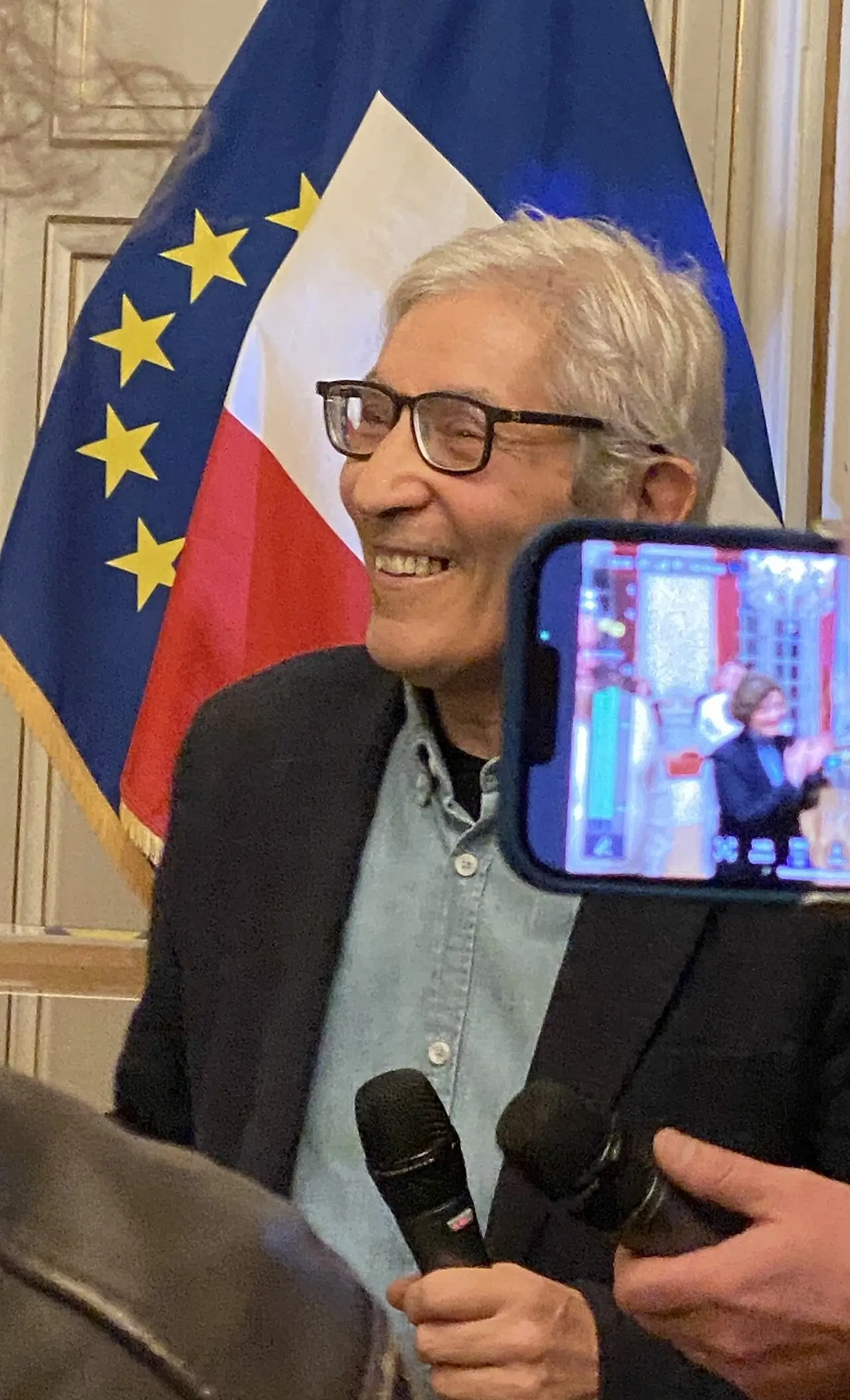
By Waltercolor – Own work, CC BY-SA 4.0, Link
The writer Algeria could no longer tolerate
Known for his strong stances against both authoritarianism and Islamism, as well as being a forthright campaigner on issues such as freedom of expression or women’s rights, Sansal’s relationship with Algeria, the country of his birth, had already been fraught with tension for decades. The Algerian government, highly sensitive to any questioning of its revolutionary legitimacy or its management of the Islamist crisis of the 1990s, considered the explicit parallels between Nazism and Islamic fundamentalism drawn in his 2007 book The German Mujahid unforgivable. Over the years Sansal endured continued harassment from his country.
Then, in autumn 2024 he said in an interview that France had unjustly transferred Moroccan territory to Algeria during the colonial period from 1830 to 1962, a claim Algeria views as a challenge to its sovereignty. That statement finally tipped the scales.
On his next trip to Algeria on 16 November 2024, Sansal was stopped as he disembarked at Algiers International Airport. His whereabouts were unknown until word came five days later that he was placed in pre‑trial detention at a hospital prison unit and later held under charges which included breach of the integrity of the national territory and related national‑security offences. Soon thereafter, he was sentenced to five years in prison.
Nice and Cannes refuse to look away
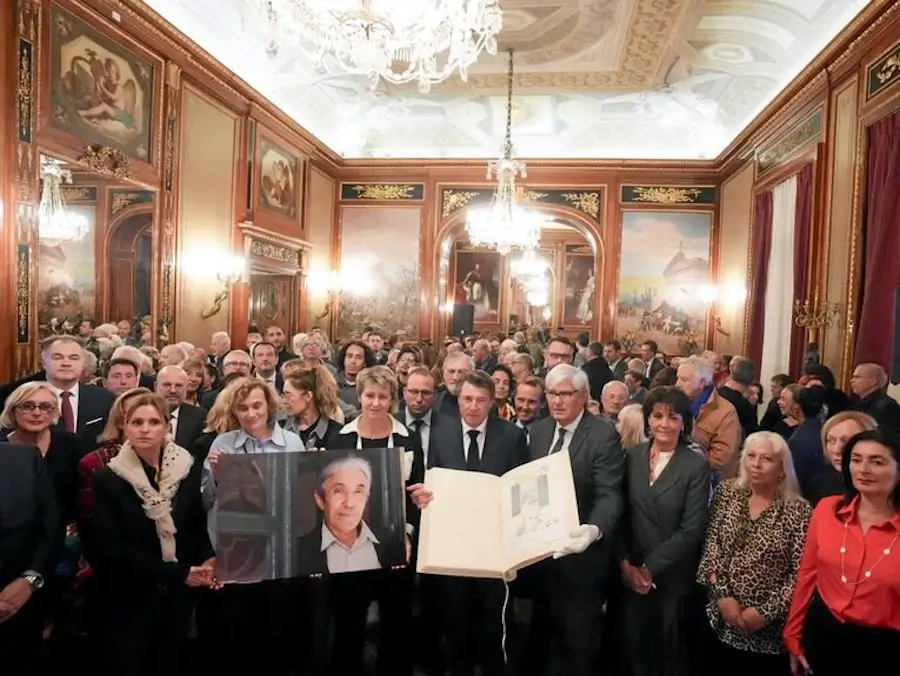
Sansal citoyen d’honneur Novemebr 2024 – photo © Ghislain Mariette, Ville de Nice, via Ville de Nice Facebook publication
One week after the writer’s arrest, on 28 November 2024, the then-mayor of Nice, Christian Estrosi, convened a ceremony at Villa Masséna in place of a scheduled conference and named him an honorary citizen of the city, addressing a photograph of the absent writer set on an empty chair.
In that moment Estrosi declared that “those who find excuses for this arrest, who relativise it, are traitors to liberty”. Nice made clear that it would not let his voice disappear without a fight. And the French literary elite, from Didier van Cauwelaert to Franz-Olivier Giesbert, added their voices to the chorus of those demanding the liberation of a writer whose only “crime” it had been to speak the truth.
Meanwhile in Cannes, mayor David Lisnard, a fine connoisseur of literature and especially of Sansal’s voice, also stepped up and spearheaded a high-profile public and media pressure campaign that went well beyond a one-off statement and swept through France – and neighbouring countries – like a tsunami. Over time, Cannes passed a municipal resolution calling for the author’s liberation and co-launched the national #JeLisSansal operation with the International Support Committee for Boualem Sansal. Lisnard, who is also president of the Association of Mayors of France then hung Sansal’s portrait on his city’s Hôtel de Ville, an initiative soon copied by countless other French cities and towns.
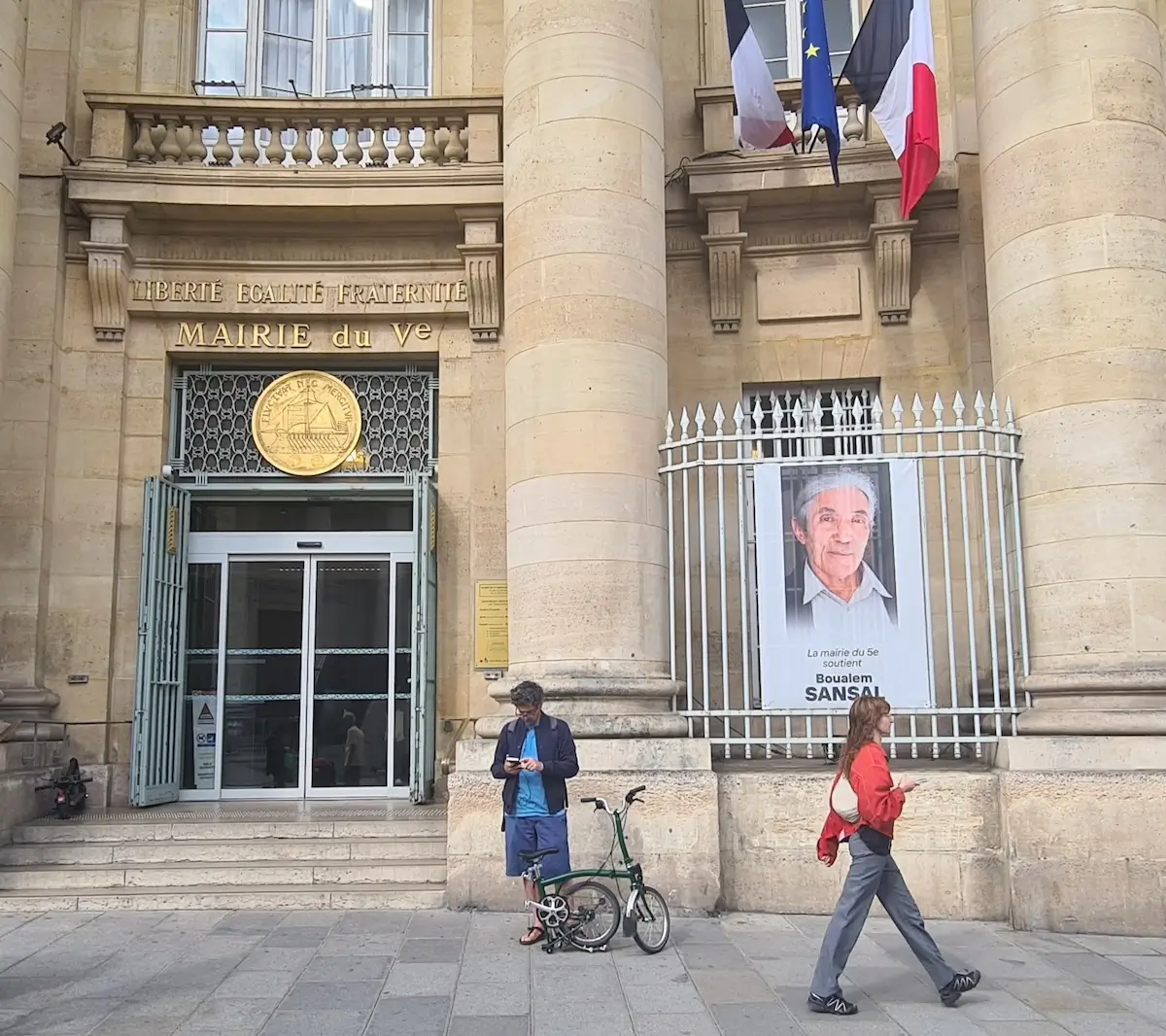
By Guallendra – Own work, CC0, link (edited – cropped)
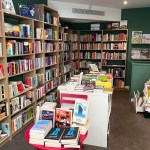
Libraries across the city also created dedicated spaces for his books, organised public readings and displayed banners bearing his face and the words “Libérez Boualem Sansal”. Dozens of other towns followed, turning what began as a local act of solidarity into a cultural protest which would not stop at the Hexagon’s borders.
But David Lisnard’s ferocious commitment to securing Sansal’s liberation went well beyond well-intentioned gestures. To make sure the case was not forgotten, he was in front of the leading national press all the time, even while the Festival de Cannes was in full swing:
Via nouv_energie on Instagram
In a September 2025 op-ed in Le Figaro, marking 300 days into Sansal’s imprisonment, he condemned the French government’s guilty inertia” and “collective disgrace”, arguing that the state had failed in its most basic duty: to protect the safety and liberty of its people – criticism that was plainly directed at President Emmanuel Macron who had preferred to keep a low profile in this matter.
Lisnard went on to say “These 300 days are also, ultimately, days of negligence for French society. Many believe that this issue does not concern them, but rather is an internal Algerian affair. A grave mistake… French silence and inaction are a collective disgrace. They mark the end of a certain idea of France.”
For almost a year Sansal was cut off from his readers, his family and his work, surviving on the solidarity of PEN groups, fellow writers and diplomats who kept his name in the news. France appealed to Algeria in many ways but was never heard – on the contrary, the five-year prison sentence was confirmed by an appeals court in Algeria.
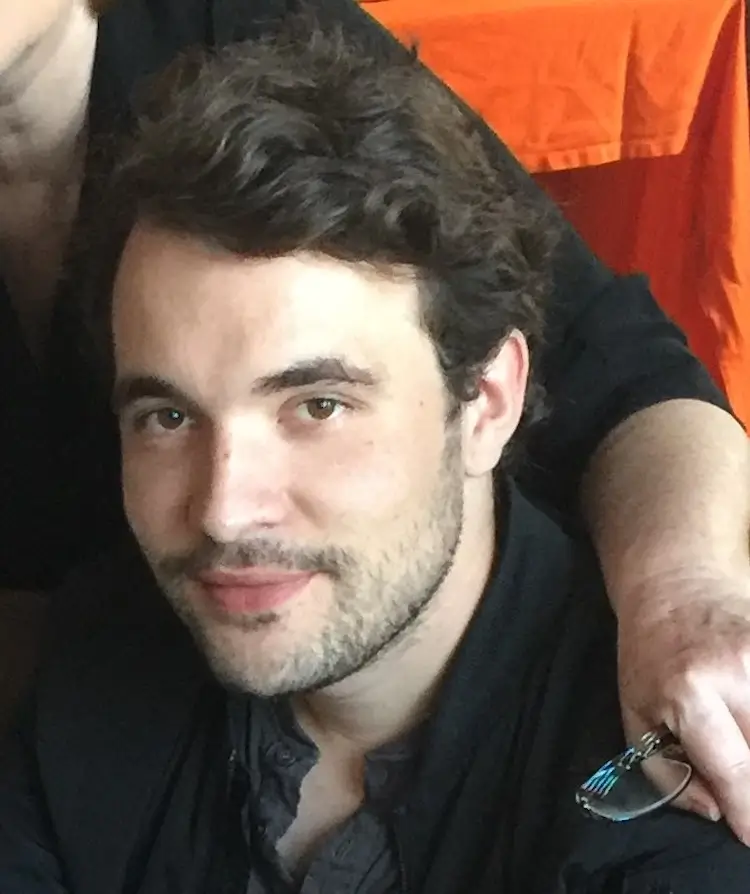
By Gfra54 – Own work, CC BY-SA 4.0, Link
This had not been the first time, by the way, that the French government is but a spectator in the stands instead of a fighter in the gladiator ring. French journalist Christophe Gleizes (pictured above), arrested in May 2024 while reporting factually and neutrally in Kabylie, is currently serving a seven‑year sentence for “glorifying terrorism”. Here, too, President Emmanuel Macron’s pleasantly worded but toothless appeal to his Algerian homologue has not unblocked the situation in any way in the two years since Gleizes’ conviction, as France’s focus remains on not troubling the already tenuous relationship with Algeria even further. And once again, it is institutions, NGOs, and private organisations that have picked up the government’s slack and are still tirelessly campaigning for his release at present.
Where the French government hesitated, Germany acted
To advance in the Sansal case, it took considerable international political pressure, led by Germany’s President Frank‑Walter Steinmeier, who personally appealed to Algiers for his release on humanitarian grounds: the elderly writer was suffering from prostate cancer. In November 2025, Algeria’s President Abdelmadjid Tebboune eventually pardoned the novelist following Steinmeier’s insistent request. Upon his release, after 361 days of imprisonment, he was flown to Berlin for medical treatment before returning to his home in Paris.
When the news of the pardon finally came, David Lisnard was among the first to welcome the news, then removed the portrait from the town hall, insisting that this was not a moment for political capital but for friendship. He is not one to dwell on animosity but he seeks common ground as a basis to move forward – incidentally, quite like Sansal’s works.
In the months that followed, Sansal resumed writing and public life, and in January 2026 was elected to the Académie française. His return to Nice this September is therefore not only a literary event but a marker of survival: a writer who was meant to be erased is now speaking again, in the very city that once swore to bring him back.
Video via FRANCE 24 English on YouTube
A voice that travels across the Mediterranean
Born in Algeria in October 1949 and becoming a naturalised French citizen later, Sansal had not always been a writer. He holds engineering degrees and a PhD in economics, and worked as a teacher, consultant, business leader, and senior official in Algeria’s Ministry of Industry. He only started writing at age 50 and quickly rose to fame, winning international awards for his lucid prose and critical reflections. At that point already, Algeria’s government “invited” him to seek early retirement…
Several of his works touch on immigrants’ experiences in Germany, where he built a devoted followership, but his voice is particularly meaningful for the sizable Maghrebinian communities along the French Riviera and elsewhere in France.
He resists the easy binaries of identity and belonging. Instead, he openly dissects hot irons like Islamism, colonial memory, and the temptations of authoritarianism. For his readers whose families straddle the Mediterranean, his work offers a way to acknowledge pain and history without surrendering to resentment or silence. In a region where debates about migration, integration, and memory can quickly harden, his insistence on nuance and moral courage is a rare resource.
The two hallmarks of a compassionate society: Solidarity and Action
It is inspiring to see how two neighbouring cities, each in its own way, chose to stand with one man in need. Nice offered honours and a platform, Cannes mobilised libraries, banners and a national campaign, and both reminded their citizens that culture is not a luxury but a necessity in today’s world. When people come together and each applies their own means, the result goes beyond symbolism – it can help bring a writer, a citizen, or a friend home, metaphorically or physically.
Courage means seeking the truth and speaking it; it means not bowing to the rule of the triumphant lie that passes in and out of fashion, and not echoing – in our souls, from our lips and through our hands – the foolish applause and fanatical jeers.”
— Boualem Sansal

PRACTICAL INFORMATION
Boualem Sansal – “Ainsi va le monde” – A discussion with Vincent Hervouët, award-winning French journalist (in French)
Tuesday, 15 September at 4 pm
Free admission, reservation required
VENUE DETAILS
Centre Universitaire Méditerranéen
65 Promenade des Anglais
06000 Nice
Tel : +33 (0)4 97 13 46 10
Email: cum@ville-nice.fr
Web: http://www.cum-nice.org/
PHOTO CREDITS
- Lead image by ActuaLitté – Hédi Kaddour et Boualem Sansal – Académie française – Grand Prix du Roman, CC BY-SA 2.0, Link (edited – cropped)
- All other photos and video as credited
Advertisement









Leave a comment